



Mini-Split Maintenance in Washougal
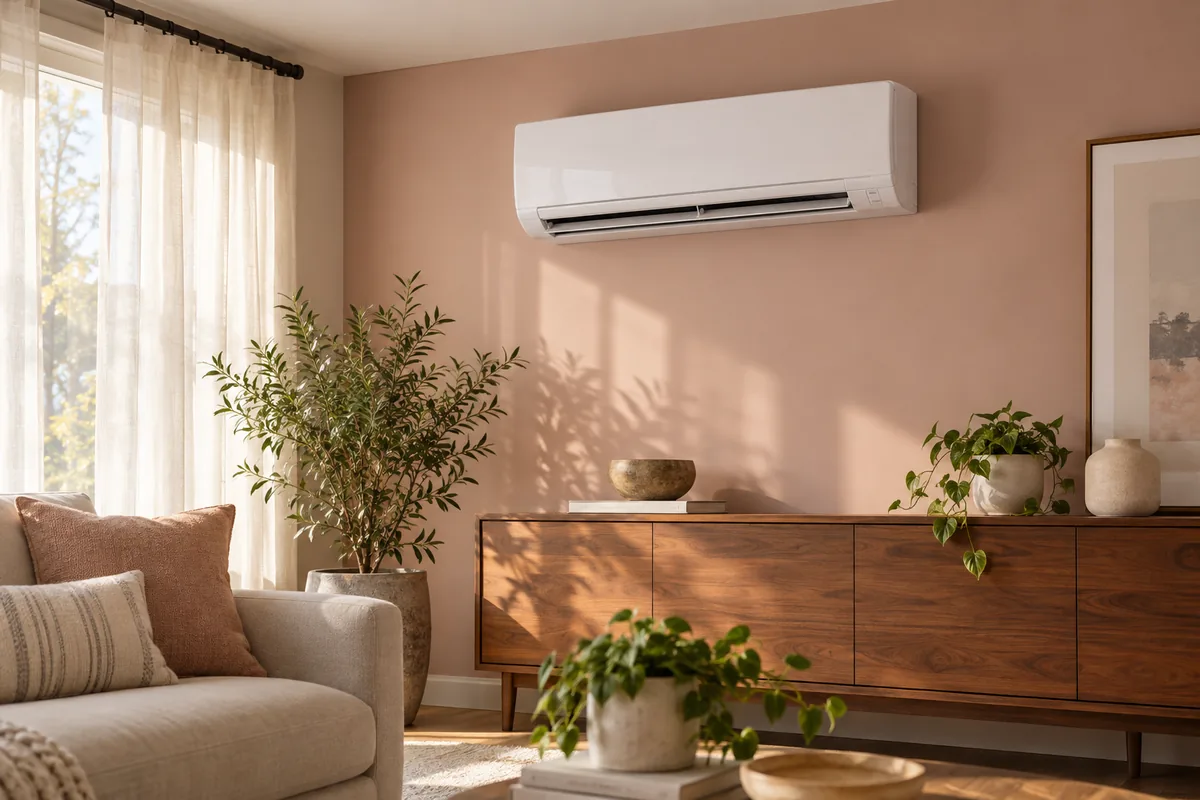
HVAC & Appliance Repair Guys provides mini-split maintenance in Washougal, WA. Indoor filters, coils, air-moving parts and drainage need care alongside connected outdoor equipment and its air path. New storage, fencing or planting belongs in the visit discussion when it changes the surrounding space or access. Describe those changes without assuming they caused an operating fault.
Our mini-split maintenance service follows the scope agreed for the installed system. A request that began with indoor filter care can still need a discussion about outdoor access. Include the connected equipment you know about. Leave uncertain connections open rather than assuming the nearest outdoor unit belongs to the affected room.
Report heating, cooling or sound changes as observations of the equipment. Changes nearby add context for access and assessment without establishing the cause.
Included Care Tasks and Equipment Access
Confirm outdoor coil or other agreed inspection, cleaning and operating tasks. Each has a different purpose and requires suitable access; inaccessible areas remain outside completed work.
Include access to relevant indoor heads and their controls. Confirm which units the visit covers rather than assuming an outdoor request includes every room.
The installed model determines the relevant service requirements. Do not copy a clearance figure, enclosure idea or cleaning method from another system. A nearby object may raise a useful question without establishing the right change. The team needs the equipment details and current conditions before explaining the appropriate work.
Identify any task prevented by access and what would be needed to complete it. Keep that limit with completed care.
Operating Faults and Routine Care
Our mini-split repair service in Washougal addresses active equipment faults. Report lost heating or cooling alongside any outdoor access concern. Fault assessment and routine care can have different scopes.
Describe which head or room changed and the mode in use. Include any sound, visible water or message you already observed. Keep those details separate when their locations or timing differ. A wet area near the equipment, for example, does not identify a failed component by itself.
Do not force the system to run or change its surroundings to prove a suspected cause. Report the present state and known history so the technician can choose suitable checks. Maintenance does not guarantee resolution of every symptom.
Visible Changes Around the Outdoor Unit
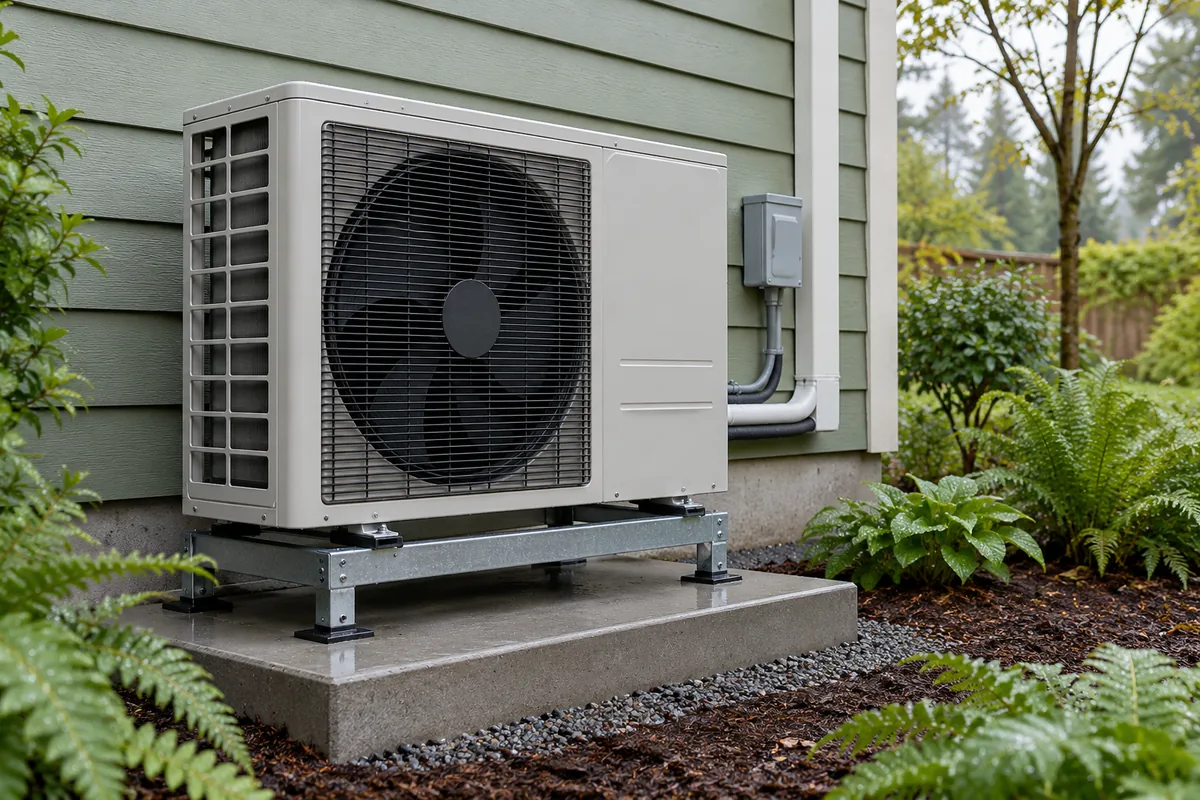
Describe the visible change, approximate timing and whether it affects the route or space around the unit. Measurements from behind the equipment are not required.
Use the view available from normal safe access. Do not reach through a grille, press on a cabinet or move the outdoor unit for a closer look. Leave its installed position and connections unchanged for assessment.
Explain stored items, heavy objects or fixed features that limit access. Move only ordinary belongings you can handle safely; leave equipment and supports unchanged.
Report known nearby work without guessing about concealed parts. A changed surface does not establish a change to refrigerant or electrical connections.
Equipment Care and Separate Site Changes
Equipment cleaning and relocation are different projects. New positions, supports or connections require their own scope rather than becoming assumed routine care.
The same distinction applies to surrounding surfaces and drainage arrangements. Describe a visible effect near the unit, then clarify what the equipment service addresses. Do not redirect a line or change a surface as a guessed solution before assessment. The proposal should identify the finding and the specific work it supports.
Review care tasks and price before approval, and ask how added work follows from equipment findings. A nearby change does not authorize installation adjustments. Discuss mini-split installation for new ductless equipment as a separate project with its own system choice and scope.
Update the request if the surroundings or access change before the appointment, keeping the original equipment concern clear.
Completed Care and Outstanding Access Needs
Record completed outdoor and included indoor tasks, operating modes and check conditions. Keep open access or installation questions and their next decisions separate. A cleaner cabinet alone is not the full service result.
Keep the model, service date and access arrangement with the result. Note later changes around the unit when arranging future care.
Request mini-split maintenance in Washougal from HVAC & Appliance Repair Guys. Describe the connected equipment, changes around the outdoor unit and any current heating, cooling or sound concern.
Frequently Asked Questions
Should I move the outdoor unit to create more working room?
Do not move installed equipment to prepare for maintenance. Describe the access concern and review what the proposed work needs. Relocation has a separate scope from routine equipment care.
Can I use a clearance measurement from another mini-split?
Use the requirements for the installed model and arrangement. A figure from another unit may not apply. Raise the current access or surrounding-space question during the service discussion.
Does outdoor maintenance include changing the surrounding surface or fence?
Confirm the specific tasks in the proposal. Equipment care does not automatically include changes to the site. Keep those questions separate so the scope and price remain clear.
Request Mini-Split Maintenance in Washougal, WA
For mini-split maintenance in Washougal, WA, call HVAC & Appliance Repair Guys or submit a service request through the form on this page.