


Mini-Split Maintenance in Woodburn
HVAC & Appliance Repair Guys provides mini-split maintenance in Woodburn, OR. Care for a cooling-only ductless system must match its supported functions; do not assume it also heats the room. Explain how you use the equipment and share model details available in your records.
Our mini-split maintenance service follows the equipment and tasks agreed for the appointment. If you are unsure whether the installed setup supports heating, leave that question open. A remote with extra symbols does not establish every function of the connected unit. The model and equipment arrangement should guide the service discussion.
Keep the room’s other heating source separate when describing normal use. A different system may handle a function that the mini-split does not provide. Its operation does not document care of the ductless equipment. Identify which system belongs to the current request so that the visit has a clear purpose.
Maintenance Tasks for Cooling-Only Equipment
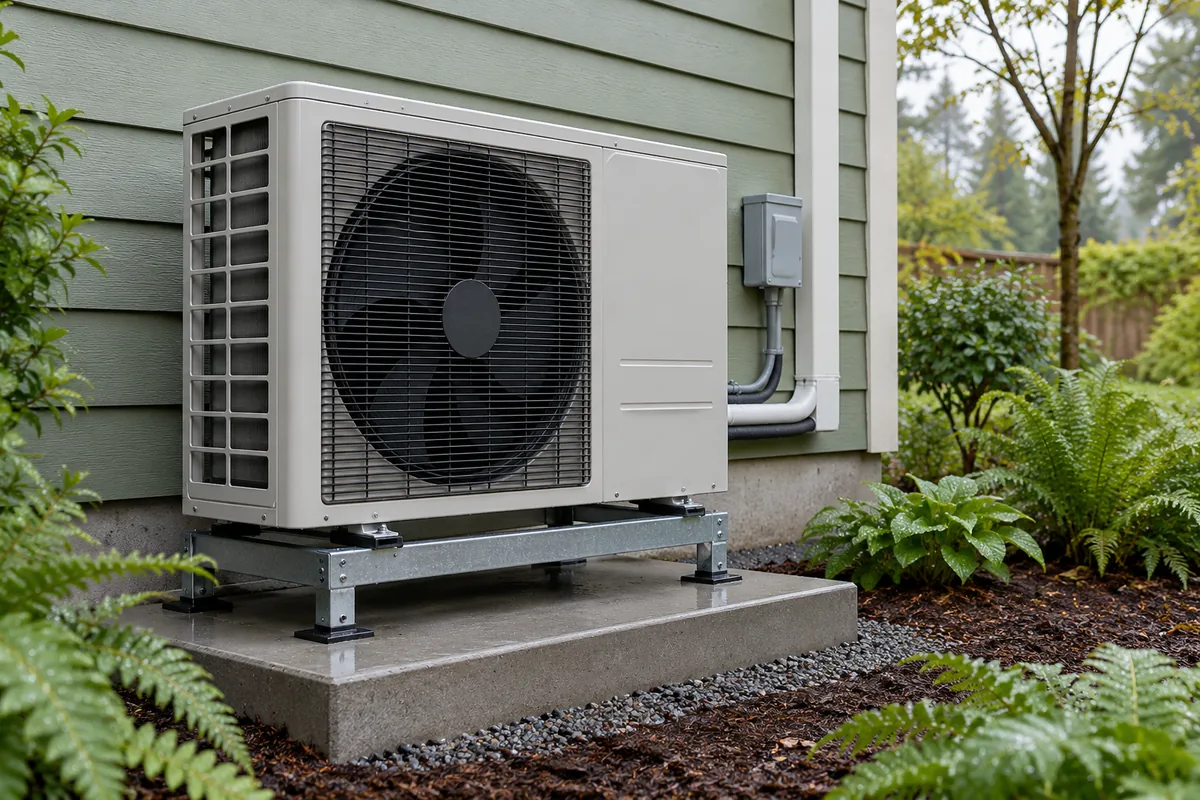
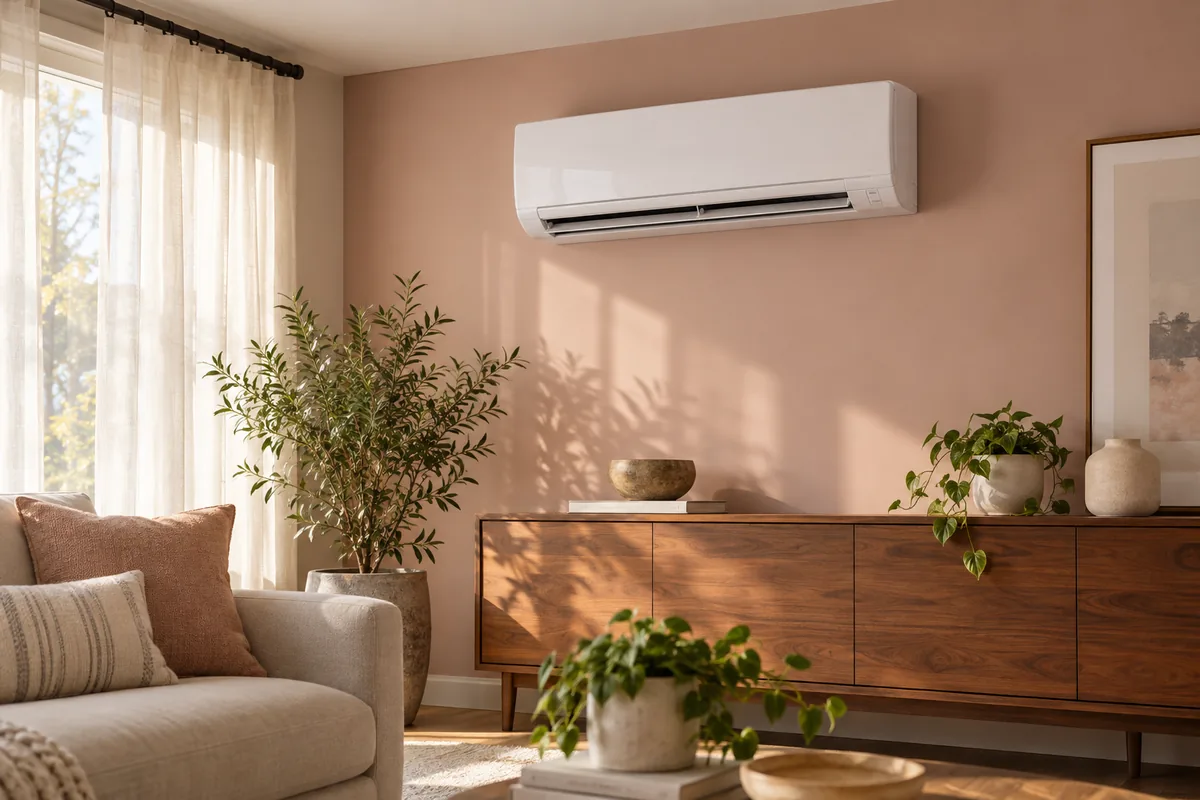
List the indoor head and known connected outdoor equipment. Include the rooms or units you want the appointment to cover. A cooling request should still account for the installed system beyond its visible face. The team can clarify which equipment and access the planned work needs.
Ask how the proposed tasks address filters, other included equipment and cooling operation. Inspection, cleaning and function checks are different work; confirm which parts and tasks the visit includes before approving the price.
Cooling also makes the drainage question relevant to the service scope. Discuss any visible water concern rather than assuming a filter task covers the drain path. The installed arrangement determines which components the technician needs to review. Do not assume that every unit uses the same route or includes a drain pump.
Mention any known access limit indoors or at the outdoor equipment. Share the location without opening panels or tracing hidden lines. If a particular task needs a different access arrangement, keep that requirement clear. The work record should reflect what the visit can actually include.
Owner Care, Service History and Cooling Use
Use the installed model’s guidance for routine owner tasks. A filter element may need a different method from another part in the same unit. Do not copy a cleaning method from a separate heater or another ductless head. If you cannot identify the correct task or reach it safely, raise the question during service.
Keep any care you already completed with its approximate date and the equipment it concerned. A surface wipe, a filter task and a professional visit are separate records. Each can add useful context without proving that the others occurred. Where history is missing, say so rather than inferring it from the appearance of the unit.
If you use cooling only at certain times, describe that normal pattern. Less frequent use does not by itself settle which care tasks are due. Review the equipment guidance, current condition and known work together. Avoid assigning the same interval to every task simply because the unit is not in daily use.
A current loss of cooling deserves its own place in the request. Our mini-split repair service in Woodburn addresses that fault assessment. Routine care can be relevant, but it does not establish the cause of weak or missing output. The proposal should make diagnosis and any added work clear.
Cooling Checks and Supported Functions
After care, ask which cooling checks the technician performed and what the equipment did. Keep the conditions of the check with the result. A working fan or changing control display does not describe every part of cooling operation. The account should relate to the functions the installed equipment actually supports.
If a heating option on the control remains unclear, treat that as an equipment-information question. Do not label the system faulty simply because it does not provide an unsupported mode. Likewise, an unused button does not replace a check of the cooling concern you reported. Keep the service result focused on the agreed request.
Review any remaining recommendation before approving more work. Ask what each proposed repair, future care task or equipment change would address. Maintenance does not turn a cooling-only unit into a heating system.
Keep completed work and the next task with the model information. If another person manages the equipment, share its supported functions and service history so future care fits this unit.
Request mini-split maintenance in Woodburn from HVAC & Appliance Repair Guys. Identify the cooling equipment, known model details and any current loss of output or water concern.
Frequently Asked Questions
Does a heat symbol on the remote prove the system provides heating?
The installed equipment determines the supported functions. A control can have options that do not apply to a particular setup. Confirm the model details before treating an absent heating response as a fault.
Does service of my separate heater cover the cooling-only mini-split?
Check the equipment named in the agreed scope and completed work order. Care of one system does not document service of another. Identify the ductless unit when arranging the appointment so its tasks are clear.
Should I wait for routine care if the unit stops cooling?
Report the current loss of cooling directly. The request needs to address that operating fault, even if maintenance is also due. Discuss the assessment and any proposed work before treating routine cleaning as the full solution.
Request Mini-Split Maintenance in Woodburn, OR
For mini-split maintenance in Woodburn, OR, call HVAC & Appliance Repair Guys or submit a service request through the form on this page.