



Mini-Split Repair in Woodburn
HVAC & Appliance Repair Guys provides mini-split repair in Woodburn, OR. Describe the affected unit and the change in heating, cooling, airflow or controls. If its service history is unknown, share the information you can confirm; missing records do not prevent a repair request.
Our mini-split repair service can begin without a manual or earlier invoice. Describe the current fault and the equipment you know; the technician can clarify the missing details.
Current Faults and Known Operating History
Describe what the room needs and what the unit does instead. It may move air without cooling the space, stop during use or show a message you have not seen before. Use the words that match your observation. You do not need to decide whether the problem comes from a control, a drain or a refrigerant fault before arranging service.
Say whether the fault followed familiar normal use or appeared on your first attempt with the equipment. That distinction helps establish what earlier operation is actually known.
Describe a new noise, inconsistent temperatures and indoor water separately, with their timing. Several symptoms can occur together without sharing a cause.
Installed Equipment, Controls and Connections
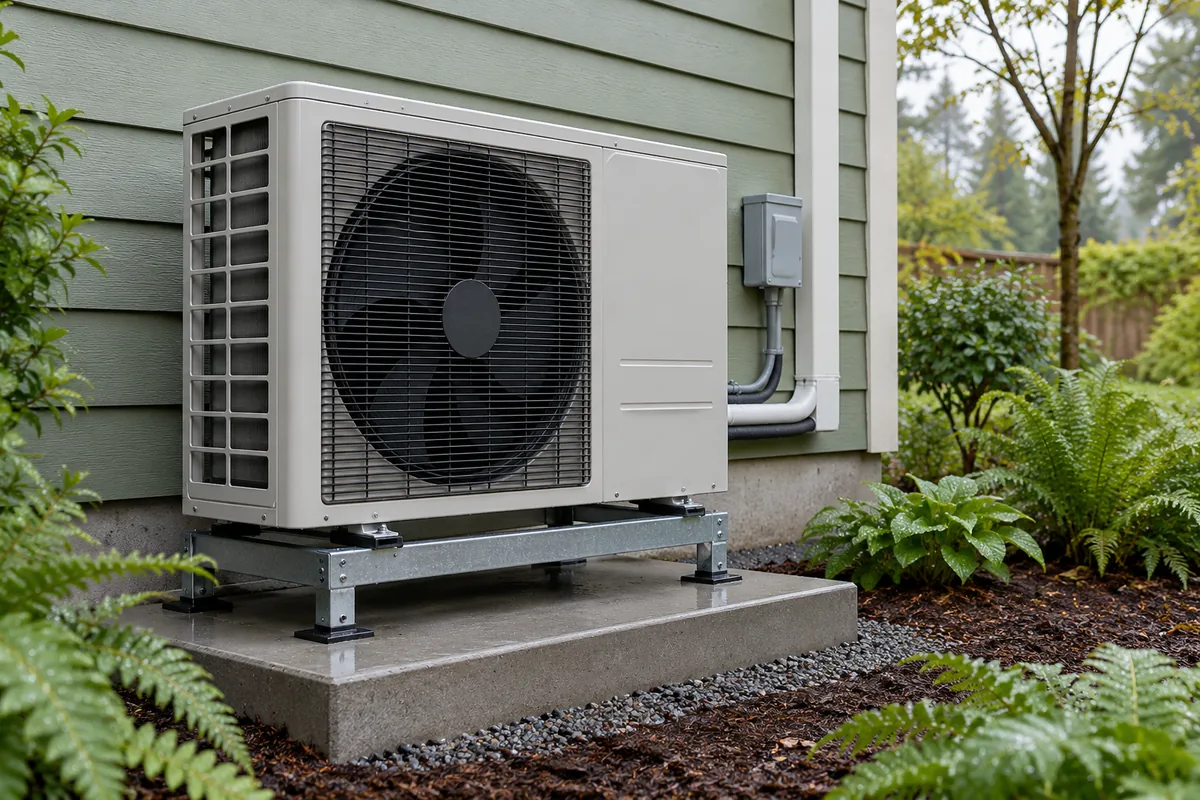
Share model or serial details from records or labels you can view safely. Include the indoor head, its control and the outdoor equipment if you know their connection. A brand name alone may not identify the configuration. If several outdoor units sit nearby, describe the uncertainty rather than choosing one based on appearance.
The type of control also matters. Someone may have left a handheld remote with the room. That does not prove it matches every function of the installed head.
Tell us which buttons or modes you have used successfully. The model details establish which functions the equipment supports. Extra options on an unfamiliar control do not prove those functions exist.
A ductless mini-split can form part of a single-zone or a multi-zone setup. Do not assume that one visible head means one outdoor unit serves only that room. Explain whether you know of other connected heads. If the connection is unknown, that becomes an assessment question rather than a reason to postpone reporting the fault.
Available Records and Missing History
Share old invoices or a verbal account of earlier work, making clear which details are confirmed. Keep each record with the unit it names; previous service does not establish the current condition.
Active Faults and Routine Care
Describe the active operating problem even when maintenance history is unclear. A unit can need both repair and planned care, with a separate purpose for each task.
Our mini-split maintenance service covers routine care requests. If the system already has a fault, disclose it before treating the visit as maintenance only. Ask which findings support repair work and which tasks relate to ongoing care. Missing records alone do not make every possible service necessary.
Cleaning alone does not guarantee restored cooling or lower running costs. Ask which finding each proposed task addresses and what result it should restore.
Repair Findings, Price and Pending Parts
Review the equipment finding, proposed work and price. Ask how the repair addresses the original complaint and whether a separate issue remains.
Clarify any limits on the visit. Access to a locked room, an outdoor area or the normal control can affect what the team can assess. Mention who can authorize work and whether that person will be available.
If a required part is not yet available, ask what stage the job has reached. Identifying a part, ordering it and fitting it are different steps. Keep the expected next action separate from work already complete.
Same-day service may be available. Parts or further tests can still prevent completion during that visit.
Our HVAC repair service in Woodburn covers broader heating and cooling requests. Use that wider scope if unfamiliar equipment elsewhere also needs attention. Describe each system separately. A one-room request does not include an assumed inspection of all HVAC equipment on the property.
Completed Checks and Follow-Up Work
Keep the unit identity, symptom, findings and completed work together as the starting record for future service.
Include the checked control response, air delivery and room result relevant to the complaint. Note any condition that prevented a full operating check.
Record the purpose of any agreed follow-up so pending work stays clear if a new concern appears later. Contact HVAC & Appliance Repair Guys to request mini-split repair in Woodburn.
Frequently Asked Questions
Can I arrange repair without knowing the installation date?
Yes. Tell us that the date is unknown and share the equipment details you have. An installation date adds context. You can report a fault without inventing a date or judging the unit’s age from its appearance.
Should I assume an unfamiliar unit has missed maintenance?
No. Missing records do not prove which care tasks did or did not take place. Describe the current problem and let the assessment establish the relevant condition. Any proposed maintenance should have a clear purpose separate from an unsupported history.
What if I cannot tell which remote belongs to the head?
Explain that uncertainty when you arrange service. Keep the available controls with the equipment and share visible model details. Do not treat a remote’s similar appearance or extra buttons as proof that it supports the installed unit.
Request Mini-Split Repair in Woodburn, OR
For mini-split repair in Woodburn, OR, call HVAC & Appliance Repair Guys or submit a service request through the form on this page.