



Mini-Split Repair in Beaverton
HVAC & Appliance Repair Guys provides mini-split repair in Beaverton, OR. One room may lose comfort while another stays comfortable. Explain that difference when requesting a repair.
Identify each affected head by a recognizable room name, such as the front bedroom. A head that moves air at the wrong temperature differs from one that stays silent, so keep each symptom with its room.
Our mini-split repair service covers the existing equipment concern. Share the Beaverton address, known number of heads and which ones need attention. The technician can clarify connections you cannot identify.
Shared Equipment and Separate Systems
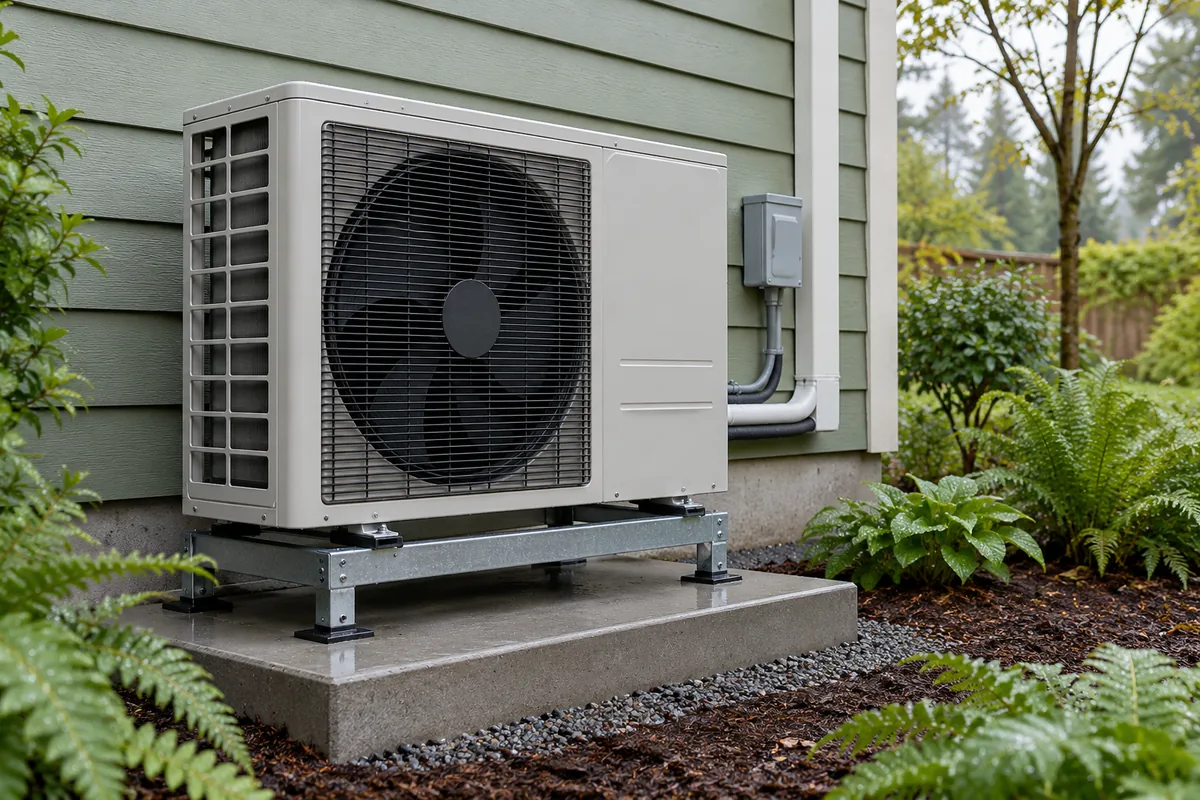
A ductless setup can pair one indoor unit with one outdoor unit; a multi-split can connect several heads to a shared outdoor unit. A property can also have independent systems. The technician confirms those connections during assessment.
Existing installation records can help identify which heads belong together. Share them if available, but do not trace hidden lines or open equipment to map the system.
A working head does not establish that every shared component is healthy, and several affected rooms do not establish one common failure. The findings should explain the work needed at each unit; one faulty head alone does not justify replacing them all.
Airflow and Temperature Problems
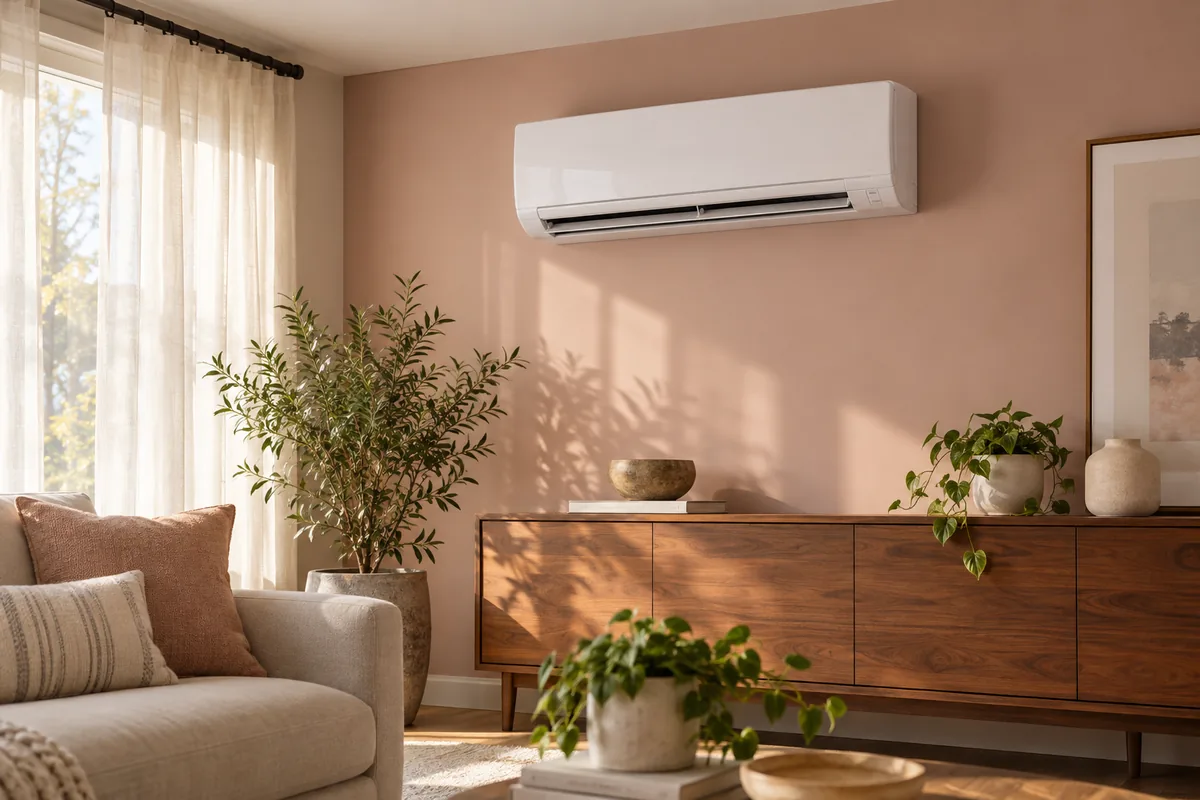
At each affected head, distinguish a weak stream of air from air that moves normally but does not change the room temperature as expected. Include the operating mode and what the room feels like during ordinary use. You do not need to reach into the outlet or take measurements inside the unit. Describe the visible and felt change in plain language.
If the flow varies, explain when you notice the difference. It may seem normal at first and weaken later, or the room may stay uncomfortable throughout a run. Keep that sequence with the particular head involved.
Mention recent filter care and whether airflow improved. A restricted filter can affect flow, but a clean filter does not establish that the rest of the head works correctly. For planned care, mini-split maintenance is separate from diagnosing an active fault or planning replacement.
Controls, Fault Timing and Display Messages
Keep the normal control for each affected room available during the appointment. Explain the selected mode, set temperature and any schedule you normally use. On shared systems, the relationship between room settings and system operation depends on the equipment.
Different temperature settings do not prove that shared heads can heat and cool at the same time. Ask which modes the connected setup supports.
If a head changes behavior at a similar time each day, include that timing. A schedule may be relevant, but the pattern does not settle whether a fault exists. Record what the normal display shows and what actually happens in the room.
For a fault message, preserve the exact characters and identify the device displaying them. A photo from a safe position can keep a short-lived message available for the visit. Avoid repeated resets or hidden-menu changes that clear the event before you record it. The code and model details guide the assessment; they do not replace checks of the connected equipment.
Indoor Water and Unusual Sounds
Water escaping near an indoor head needs its own description, even if poor cooling prompted the original request. Explain where you first noticed the water and whether the unit was running at the time. Do not assume that moisture below one head comes from the same cause as weak cooling elsewhere. The repair scope needs to account for each condition you want assessed.
For a leaking indoor unit, stop use and report the condition rather than running it to produce another drip. Keep away from wet electrical parts and move ordinary belongings only when safe. Leave covers and drain connections untouched.
For a new noise, identify the room and whether it comes from the head, a nearby surface or the outdoor equipment. Describe when it starts and whether airflow or comfort changes with it. A safe recording can help if the sound is intermittent, but it is optional. A rattle, hum or scrape alone does not establish which component needs repair.
Equipment Diagnosis and Unconfirmed Faults
Ask how the findings explain the affected room or rooms and whether the repair concerns a head, shared equipment or both. Clarify any issue that still needs assessment.
Internal electrical, control and refrigerant checks belong with the professional assessment. Their purpose is to distinguish possible causes that can produce similar comfort problems. There is no need to choose a control board, fan motor or refrigerant service before the visit.
One confirmed fault may need repair before the next operating stage can be checked. Ask what the first task will allow the technician to assess and what remains uncertain.
A head that works normally during the appointment can still have an earlier intermittent problem. Share the saved message, room notes or sequence that prompted the request. Ask what the current checks show and what they cannot confirm.
Access to Indoor and Outdoor Equipment
Identify the indoor units, controls and outdoor equipment the technician may need to reach. Mention locked doors, gates and high mounting positions. Shared-system checks may also require access to rooms without reported symptoms; confirm that when booking.
If another person will attend, share the room names, symptoms and control locations. Agree who can review and approve proposed work.
Clear ordinary stored items from the route where safe, leaving units and mounts intact. Mention obstacles you cannot move. For separate central equipment, our HVAC repair service in Beaverton covers that additional request.
Repair Proposals and Replacement Options
A repair proposal should identify the unit or shared component involved, the work and its price. Ask whether parts availability or access requires another appointment. Clarify which reported symptoms the proposal addresses and which still need attention.
Same-day service depends on availability. A visit that day does not guarantee an immediate supply of parts or completion of every repair step.
If replacement becomes an option, compare its scope with the confirmed repair instead of deciding from equipment age alone. A replacement head must work with the connected equipment. A new room unit does not fit every existing system.
Our mini-split installation service addresses a separate new or replacement project. The on-site estimator visit for that project is free, distinct from diagnosing the current fault. Explain if you also want to change the number of rooms served.
Repair Results for Each Room
After work, return to the room account that started the visit. Ask which heads the technician checked and how their response compared with the original complaint. Keep heating and cooling results separate when only one mode received a check.
Keep any remaining symptom with its unit and next step. Distinguish a pending parts order from completed work so the people using the system know what to report.
Ask the technician for operating guidance while work remains open. A working head may share equipment with a faulty one, so do not test combinations to find one that runs or assume it is safe to use without that assessment.
If trouble returns, report the head, mode and timing, including any new room or message, with the earlier repair details. Contact HVAC & Appliance Repair Guys to request mini-split repair in Beaverton.
Frequently Asked Questions
Can I request a visit for only one head on a multiroom system?
Yes. Name the head and its symptom when arranging the appointment. Shared equipment may still need assessment to explain that local concern. Confirm the intended visit scope and any access needed in other rooms before the work begins.
Do all indoor units need the same repair if several rooms are uncomfortable?
The units may need different repairs even when several rooms feel uncomfortable. Similar room temperatures can accompany different faults. A proposal should connect each repair with a confirmed finding. The technician needs to establish the relevant connections and the work each affected unit needs.
Should I send a model photo from each indoor head?
Existing photos can help identify the setup, especially when different units serve different rooms. Keep each photo labeled with its location. Do not climb or open covers to collect more photos. Explain any missing label details when arranging the visit.
Can repair resolve a room that has never been comfortable?
It depends on the findings. Explain whether the room changed recently or has always had the problem. Restoring a failed component and changing how the system serves that room can involve different work. Ask how the proposed scope addresses the history you described.
Request Mini-Split Repair in Beaverton, OR
For mini-split repair in Beaverton, OR, call HVAC & Appliance Repair Guys or submit a service request through the form on this page.