



Mini-Split Repair in Donald
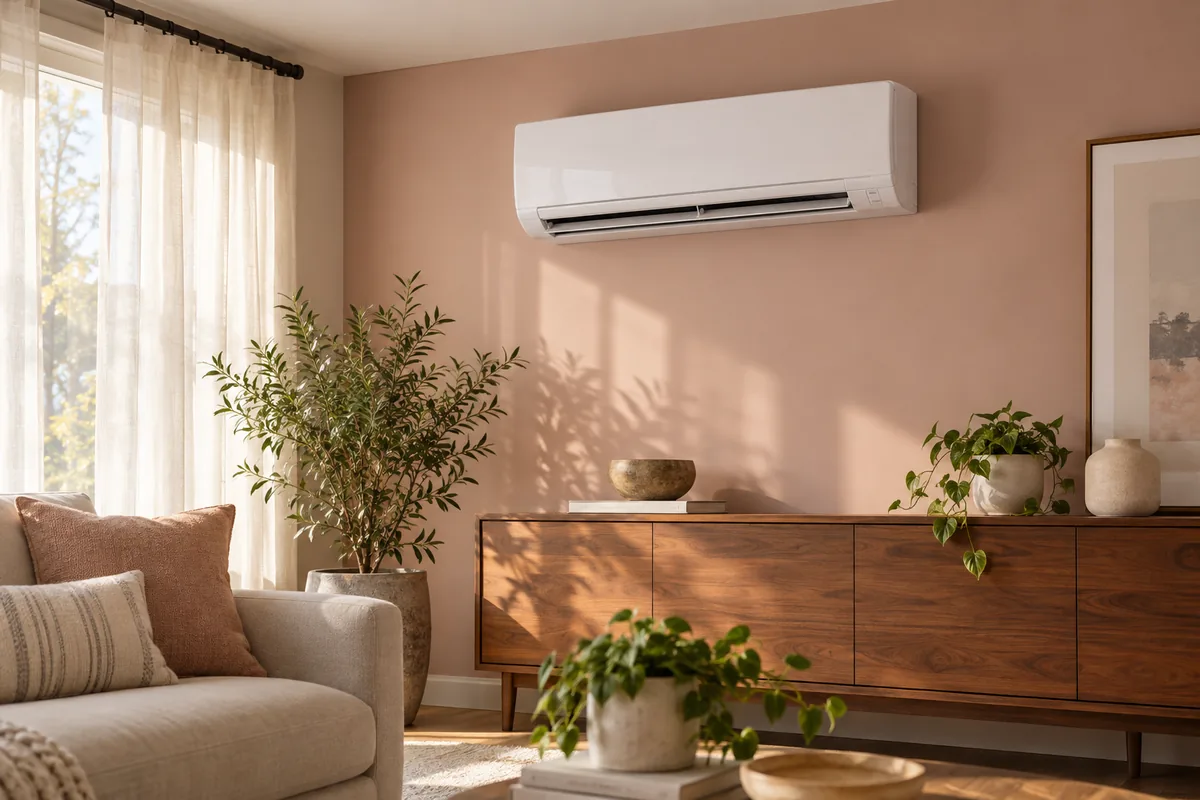
HVAC & Appliance Repair Guys provides mini-split repair in Donald, OR, for lost heating or cooling, weak airflow, indoor water and unresponsive units. For a head that stops, tell us whether the room reached its setting first. Slowing after reaching the setting differs from stopping while the room still needs heat or cooling; a pause alone does not identify a fault.
Our mini-split repair service focuses on the equipment concern you report. Explain whether the head stops moving air, goes dark or remains lit without useful heating or cooling. Say whether it restarts by itself during ordinary use. Keep those observations distinct instead of calling every pause a complete loss of power.
If more than one indoor head serves the property, identify which ones stop. Include whether the events occur together or at different times, if you know. Leave the outdoor connections uncertain when you cannot identify them safely. The technician can establish which units belong to the same system before drawing a conclusion.
Normal Settings and Equipment Cycling
Mini-split behavior varies by equipment. Some units cycle off at the set temperature; others reduce their output. That makes the model and room result important when assessing a stop. There is no single run length that can diagnose every ductless system or prove that the equipment is the wrong size.
Use the normal control display to describe the selected mode, set temperature and any timer indication already visible. If someone uses a schedule, mention when it normally changes operation. Do not enter hidden menus or repeatedly alter the settings as a test.
If the stop seems to follow a schedule, report that pattern without assuming it is intentional. A changed setting can be relevant, but an equipment fault can also need assessment. Keep what the display shows separate from what the head does.
Intermittent Stops and Previous Repairs
For an intermittent stop, record the approximate time and what happened immediately beforehand. Include any visible message and where it appeared. Preserve an existing photo if you took one safely. Do not keep resetting the equipment to clear the message or force another event before the appointment.
If another heating or cooling system serves the same area, identify it separately. Our HVAC repair service in Donald covers a broader equipment request. Warmth from another unit does not establish that the stopped mini-split has recovered.
Share earlier repair details if the same head has had trouble before. Explain whether the present stop matches the old symptom in timing, display and room effect. Similar behavior does not prove the same component failed again. The current condition still needs findings of its own.
Visit Access, Findings and Proposed Work
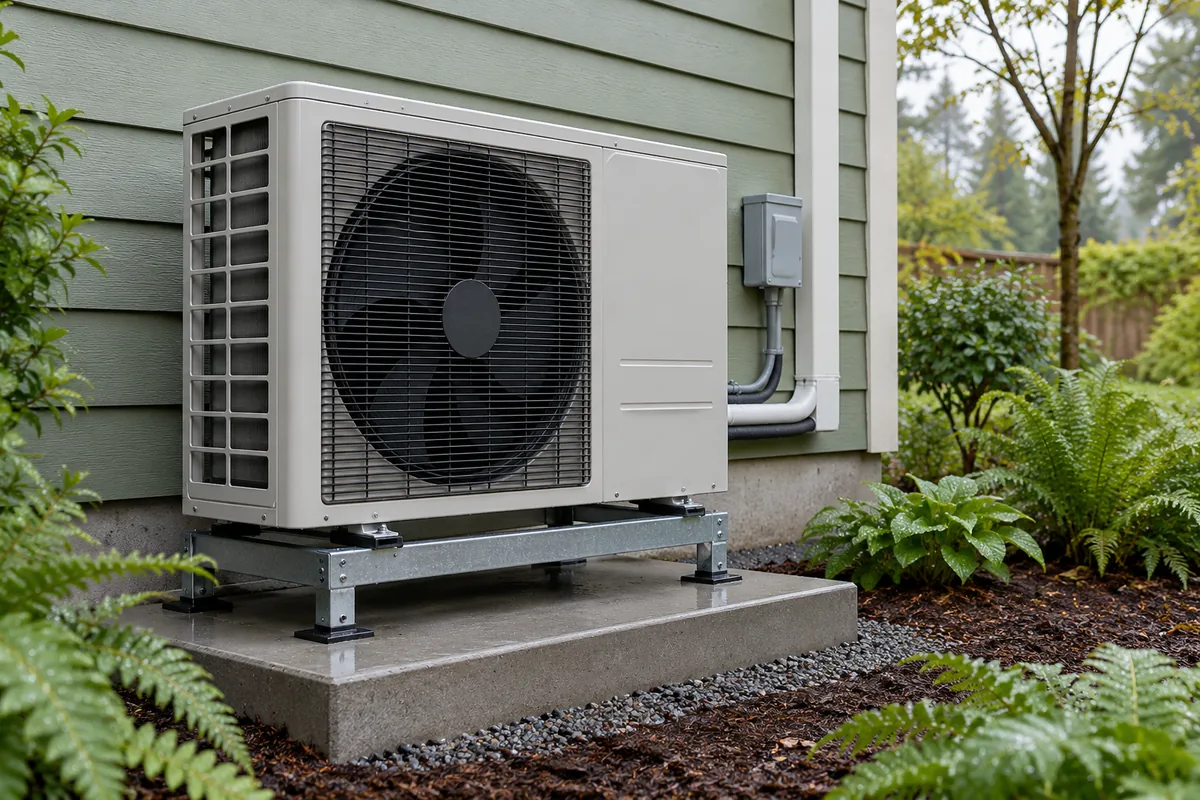
For the Donald visit, explain access to the affected head, its control and the outdoor equipment. Mention locked rooms or a difficult mounting position when arranging service. Keep internal panels and connections in place. The technician can decide which checks the actual setup and fault require.
Ask what the technician found, how the proposed repair addresses the stop and what it costs. Confirm any parts or further checks needed, including limits when an intermittent fault does not occur during the visit.
If the cause remains uncertain, ask what further assessment or normal-use observation would help. Leave internal tests to the technician.
Operating Checks and Unresolved Stopping Faults
After work, discuss the result in the mode linked to the complaint and any testing limit or follow-up. A head turning on is only part of the result if it previously stopped before the room became comfortable.
If routine mini-split maintenance is also due, keep it separate from an unresolved stopping fault. Describe the current behavior when arranging later care. Contact HVAC & Appliance Repair Guys to request mini-split repair in Donald.
Frequently Asked Questions
Should I use a stopwatch to decide whether a cycle is too short?
An approximate account is enough to start the discussion. Include whether the room reaches its setting and whether the pattern is new. A number of minutes alone cannot establish the cause or the required repair.
Does a lit display mean the whole system still has normal power?
It shows that the display is active, but it does not establish the condition of every connected component. Report the light alongside the missing operation. Leave electrical testing to the technician.
What if the head restarts before I request service?
Include that recovery and whether it needed any action from you. Keep the earlier stop and any message in the account. A restart does not explain why the interruption happened or rule out a recurring fault.
Request Mini-Split Repair in Donald, OR
For mini-split repair in Donald, OR, call HVAC & Appliance Repair Guys or submit a service request through the form on this page.