


Mini-Split Repair in Scappoose
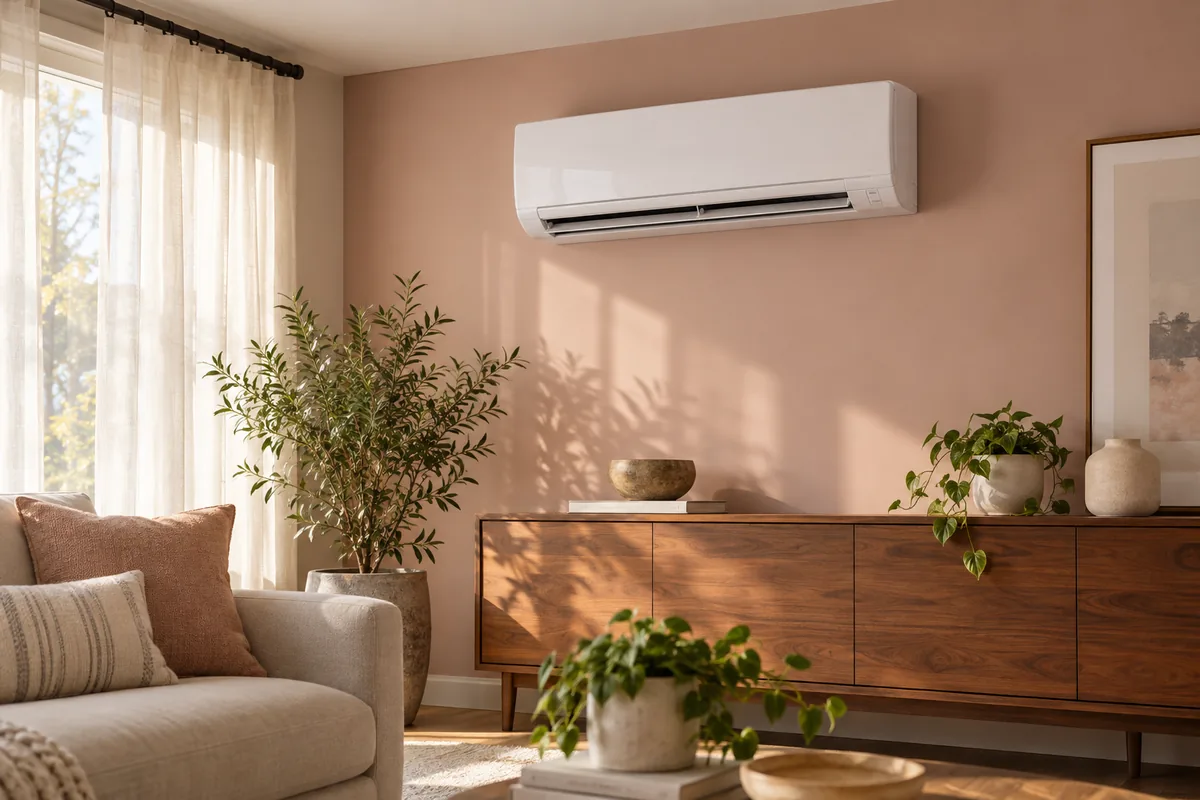
HVAC & Appliance Repair Guys provides mini-split repair in Scappoose, OR. Describe the affected indoor unit and any change in heating, cooling or control response. If the problem involves a replacement remote, include what the unit did before and after the change.
Our mini-split repair service reviews the control concern alongside the head’s response. Share existing model details for both items if you have them. There is no need to open either device or reach a high label. A clear description can start the request while the equipment identity remains a question for the visit.
If the old control is still available, keep it with the equipment records. Describe which functions it previously operated and why you changed it. Keep that history separate from an assumption that the old control caused the fault. The technician needs to understand both the original complaint and the result after the change.
Supported Control Functions and Equipment Response
Explain the normal command you selected and what the indoor head did afterward. A changed display, a sound and actual heating or cooling are different observations. Keep each one in the account. The technician can assess whether the installed combination supports the requested function and whether it responds correctly.
Controls and their available functions vary by model. A symbol on a replacement device does not establish every capability of the connected head. Do not assume that a control can add a function the equipment does not support. The assessment should identify the relevant combination before choosing another replacement.
If more than one head uses a handheld control, identify which device normally belongs to each room. Keep an uncertain match open rather than testing devices across the property. A response at another head does not prove that the affected unit needs the same part. The repair scope needs the actual equipment relationship.
Control Changes and Comfort Problems
Describe whether the head stopped responding before the control change or only afterward. Include heating or cooling that still works, and distinguish weak airflow from a normal stream at the wrong temperature. A control change can coincide with an equipment fault, so both the command and room result need assessment.
Do not enter hidden menus or try unfamiliar pairing and reset steps to force a response. Keep any visible message from ordinary use and leave internal parts in place. You do not need to reproduce a failed command many times for the appointment. The technician can review the saved account and current condition.
For the Scappoose visit, prepare access to the affected head and its normal control location. Mention a locked room or other access limit in advance. If another person provides entry, explain which control changed and what the head did before.
Proposed Repairs and Tested Functions
Ask whether the findings support work on the control, the room unit or another connected part. Review the proposed task, price and any further check before approval. A lit remote does not rule out a control problem, and a failed command does not prove one. The recommendation should explain the evidence for the work.
If another heating or cooling system also needs attention, our HVAC repair service in Scappoose covers the broader request. Identify that equipment separately. Its control response should not stand in for the result at the mini-split head. Keep the agreed scope clear if both systems need a visit.
After the repair, ask which functions were tested and record any remaining concerns. If the problem returns, describe the current unit, remote and response. For routine care, request mini-split maintenance separately from diagnosis of an active fault. Contact HVAC & Appliance Repair Guys to request mini-split repair in Scappoose.
Frequently Asked Questions
Does a matching control design prove it is the right replacement?
No. The installed equipment and supported functions matter. Share model details you already have and describe the response. The technician can assess the combination before recommending work.
Should I test the new control on every indoor unit?
Identify the intended head and keep the control history clear. You do not need to test unfamiliar combinations to prepare. The assessment should establish which equipment and functions belong together.
Can the visit help if I no longer have the old control?
Yes. Describe why it changed and how the room unit responded before and afterward. Existing model records can add context. Missing control history should remain a known limit rather than a guessed diagnosis.
Request Mini-Split Repair in Scappoose, OR
For mini-split repair in Scappoose, OR, call HVAC & Appliance Repair Guys or submit a service request through the form on this page.