


Plumbing Services in Scappoose
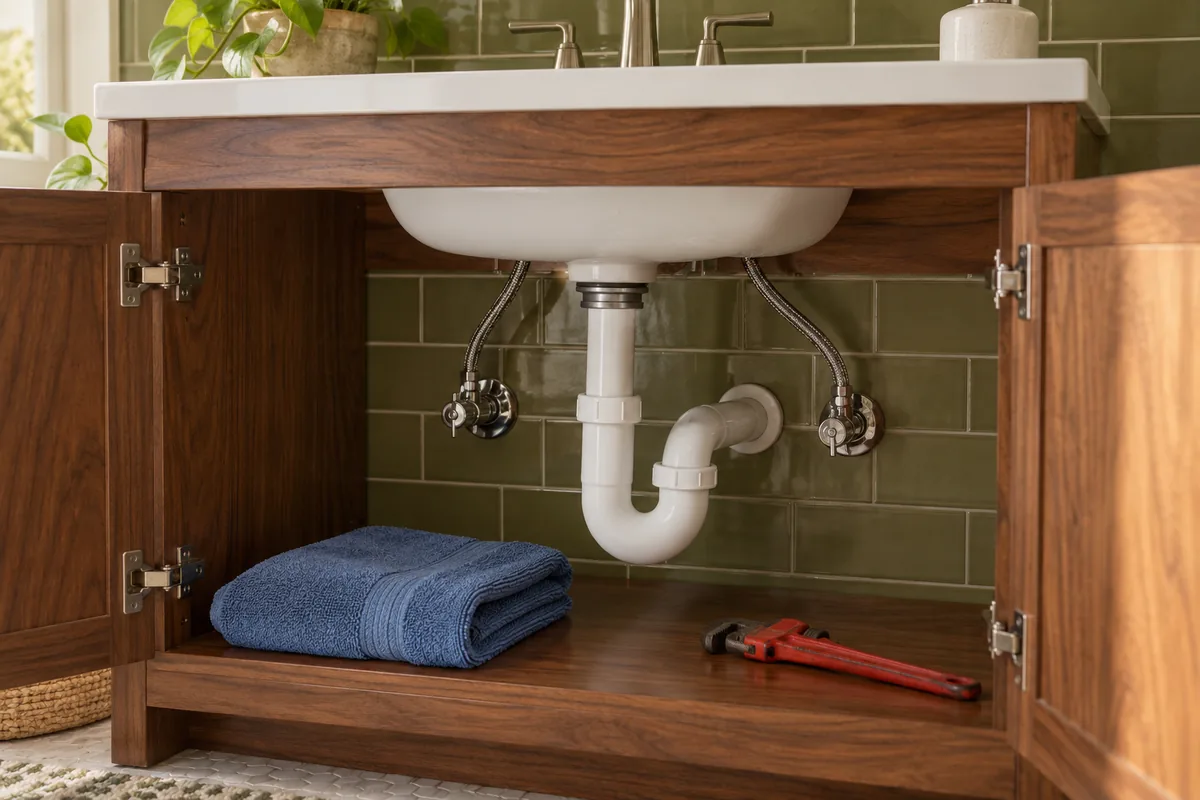
HVAC & Appliance Repair Guys provides plumbing services in Scappoose for fixture faults, leaks, damaged pipes, restricted drains and hot-water equipment. We assess the current condition and explain the work supported by the findings.
Describe the problem in everyday terms: a sink draining slowly, a toilet filling between uses or hot water turning cool. You do not need to identify a failed component before requesting service.
Avoid guessing a hidden location such as a blocked main line. Name the affected fixtures and what happened during normal use instead.
Slow Drains and Backups
A basin holding water concerns drainage; a tap delivering too little concerns supply. The two can occur together but need different checks.
Name every slow or backing-up drain. A shared restriction can affect several fixtures without identifying its exact location from the first visible backup.
Drain cleaning in Scappoose addresses a restriction. Clearing a blockage does not repair a damaged pipe. If we find another problem, we explain the repair it needs. A repeat cleaning may not resolve that fault.
For a returning problem, report how long normal drainage lasted after earlier work. The current findings should guide the next task.
Do not recreate a backup. Describe the existing sequence, including water returning through another opening; photos can document visible conditions without showing the concealed route.
Visible Water and Uncertain Leak Sources
Report the first wet location and whether moisture appears during tap use, while a fixture drains or between uses. These patterns can involve different connections.
Water can travel before it becomes visible. The final puddle or nearest fixture is not automatically the source.
Leak detection in Scappoose addresses a source that is still uncertain. Finding the source and fixing it can be different steps. We explain the findings, the repair they support and any further access the work would need.
Report ongoing water loss and unusable areas at the start of the request. The source and findings determine repair extent and required parts.
Leave concealed plumbing and finished surfaces intact. Any opening and finish restoration should be explained in the proposed work.
Toilets That Keep Filling or Flush Poorly
For a toilet, distinguish continued tank filling, poor bowl clearance and water near a connection. They concern different parts of normal operation.
If the bowl drains poorly, mention other drains with trouble as well. Refill between uses and restricted drainage may need different checks.
Toilet repair in Scappoose focuses on the assessed fault. A running tank does not automatically require a new fixture. We discuss the work the findings support before treating replacement as the only available choice.
Include earlier fixture work and what improved afterward. A recent part replacement does not establish which component causes a new symptom.
Faucet Drips and Weak Water Flow
For a faucet, describe a spout drip, moisture around the handle or water below the sink. Supply, drain and disposal connections can also release water into the cabinet.
For weak flow, note whether hot water, cold water or both have changed. Include which other taps still work normally. One affected outlet differs from a change throughout the property. A weak stream does not alone prove that the whole water supply has a pressure problem.
Share model details already visible, but do not dismantle the faucet to find them. Appearance alone cannot identify every internal part.
Replacing a working fixture is a separate project. Discuss the selected item and its connections before purchase.
Hot-Water Changes at One or Several Outlets
For hot water, distinguish cooler temperature, a shorter period of warmth and low flow from the hot side. You can request service without measuring output or choosing a replacement size.
Report which outlets changed and any visible leakage near the equipment. A single cool shower raises a different question from a loss of heat throughout the home.
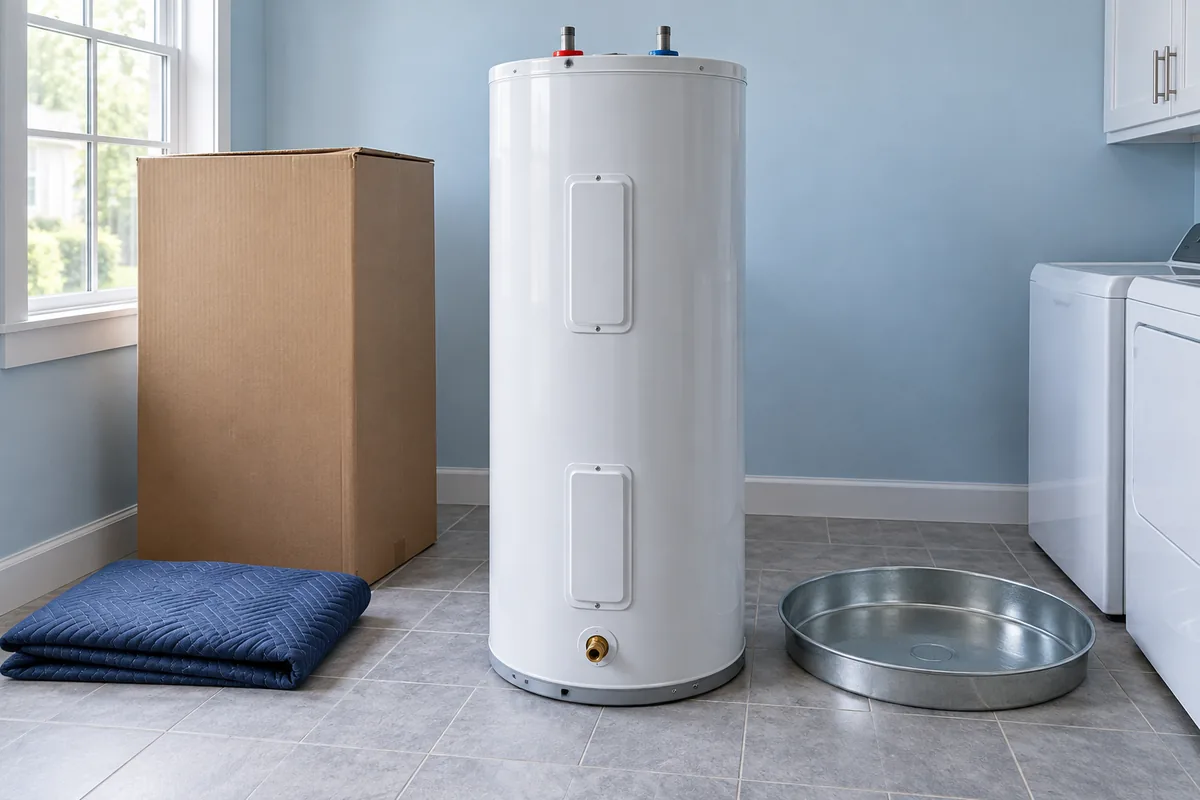
Water heater repair in Scappoose concerns the existing unit. Share known model details and fuel type. There is no need to remove covers or expose wiring to read a number before calling. We can begin with the information already available.
The current findings should guide repair versus replacement. A planned installation needs its own review of the unit, space, connections and any relocation.
Explain access to the water heater as well as the affected fixture, including locked utility spaces.
Pipe Repairs and Concealed Connections
A wet area does not reveal a concealed route, and unknown pipe age does not establish failure. Describe visible conditions and reliable history.
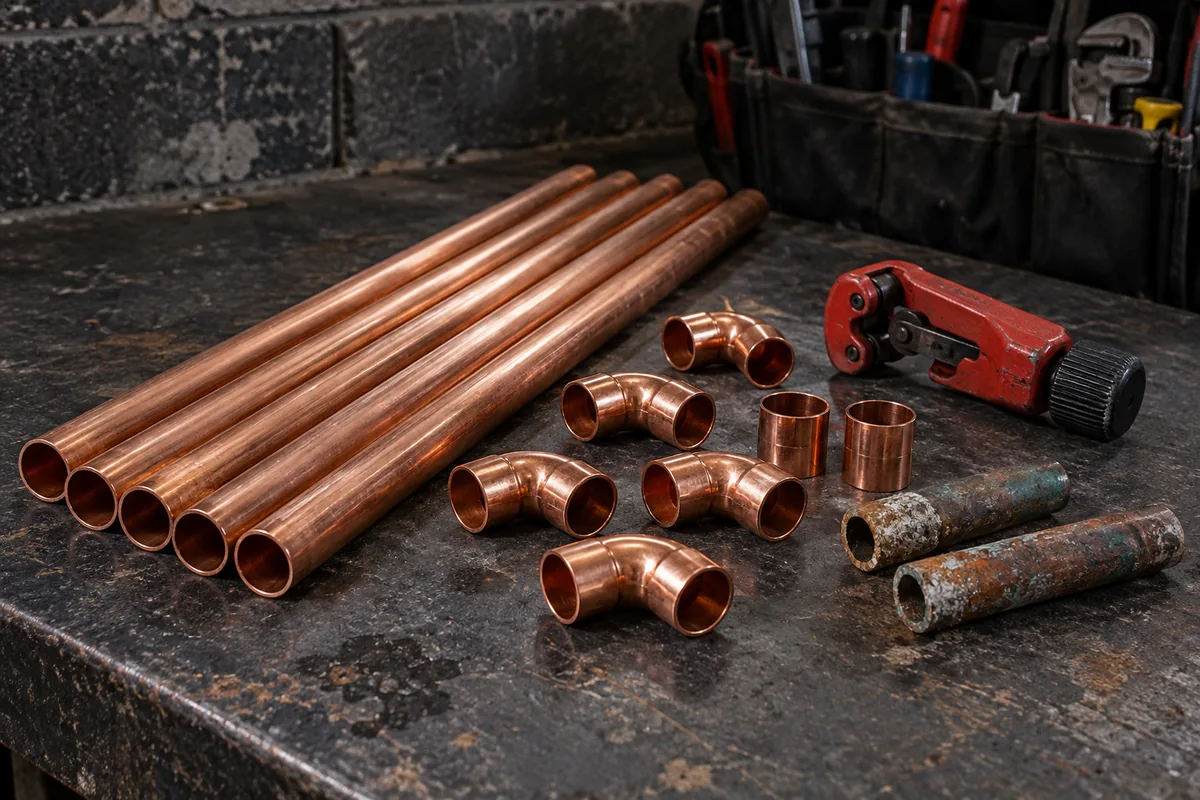
Pipe repair in Scappoose addresses an identified section or connection. We explain the findings and how the proposed task would reach that area. A focused repair differs from replacing a wider set of lines.
We explain which areas remain uninspected and the purpose of any further access. Normal fixture operation does not establish every hidden connection’s condition.
For shared space, identify who can provide entry and approve the work.
Repair Price, Approval and Operating Checks
We explain the findings, task, parts and price before work starts, including any investigation needed before a repair can be selected.
State your immediate priority if several fixtures need attention. A current repair and a future upgrade can remain separate choices.
Check which diagnostic, access and repair tasks the estimate includes. Additional findings need an explained change in scope before work expands.
After the task, we check the relevant function and connections. Report remaining or changed symptoms with their location and timing so a follow-up can address the current concern.
Contact HVAC & Appliance Repair Guys to request plumbing service in Scappoose and describe the affected fixtures, current symptoms and the problem you need addressed first.
Frequently Asked Questions
Can a slow drain and a nearby leak be part of one request?
Yes. Describe both and explain when the water appears. We assess whether they share a cause or need different work, with a clear scope for each task.
Request Plumber in Scappoose, OR
For plumber in Scappoose, OR, call HVAC & Appliance Repair Guys or submit a service request through the form on this page.