



Repiping in Woodburn
HVAC & Appliance Repair Guys provides repiping in Woodburn. We assess the current concern and the supply lines involved before discussing which sections need replacement. You can arrange an assessment even if the installation or repair history is incomplete.
Earlier plumbing work may have replaced a fixture, one branch or a larger part of the system. If the extent is unknown, it does not establish the condition of every pipe behind a wall.
Recurring Leaks and Water-Flow Problems
A concern at one tap differs from repeated leaks or weak flow across several rooms. Note the affected fixtures and when the change appears. Include whether hot and cold water behave differently and whether shared use affects the pattern.
If a visible leak has an unknown source, leak detection in Woodburn addresses that first question. The wet area alone does not show which hidden runs need replacement. Finding the source and choosing the replacement extent are separate decisions.
Existing photos or invoices can help identify earlier work. Share any dates and locations you know, and tell us which details remain uncertain. You do not need to guess the pipe material, age or route.
Partial Repiping and Local Repair Options
The proposal should explain which lines it changes and why. Repair of an isolated pipe fault in Woodburn is a different option from a wider repipe. Compare the actual concern each addresses before assuming that incomplete records require the largest project.
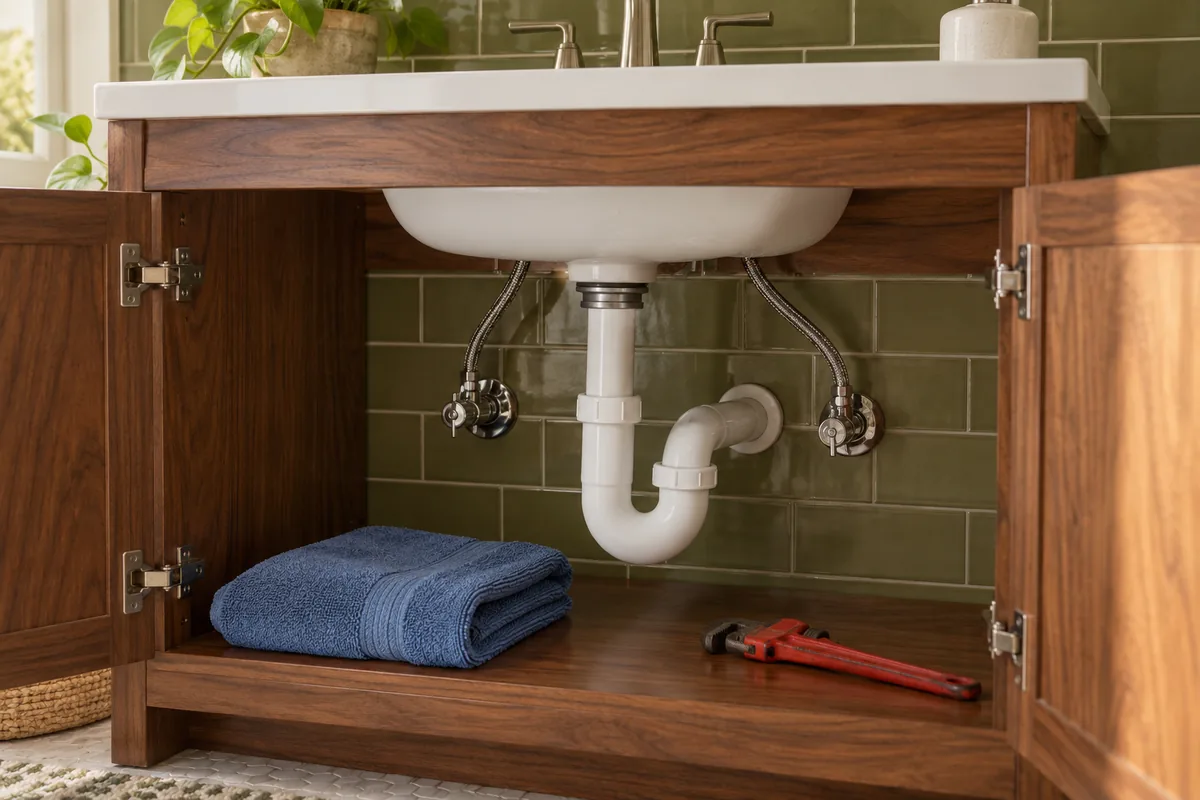
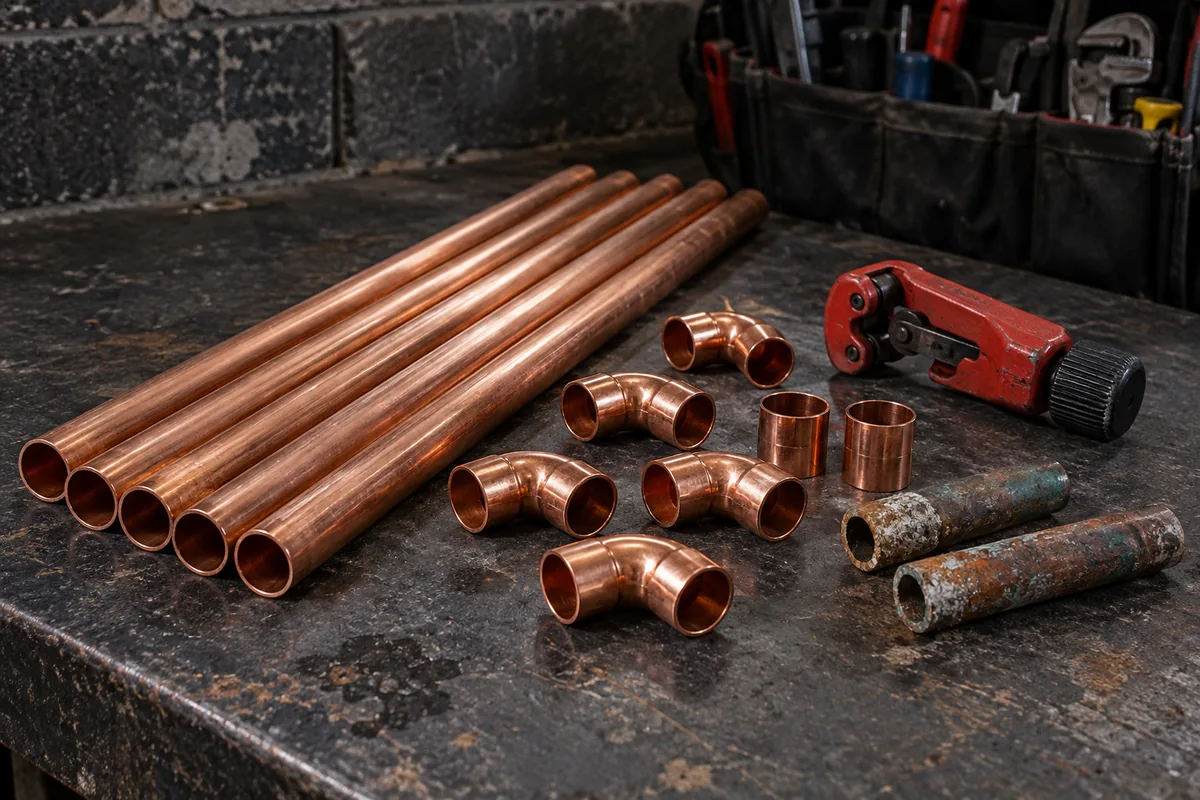
A partial replacement may renew selected hot and cold branches while other lines stay. The estimate should identify the fixtures served and the points where new piping joins the retained system. That makes the extent clear even when the full installation history remains unknown.
We assess the relevant sections to choose suitable materials and connections for the current arrangement. New supply piping does not automatically repair a fixture fault or a slow drain.
Pipe Access, Restoration and Water Interruption
Discuss the spaces needed to reach the agreed runs. The route may extend beyond the room with the symptom, and concealed connections may need planned openings. Any wall, cabinet or other finish restoration should have a clear place in the agreement.
The affected supply needs an interruption during replacement. Explain how people use the fixtures so we can discuss the sequence. Do not assume an untouched room will keep normal water service if it shares a feed with the work area.
Keep a record of the new runs, retained sections and connection points with your service history. It gives future service a clearer starting point.
Contact HVAC & Appliance Repair Guys to request repiping in Woodburn. Describe the current supply-line concern and share any repair history you already have.
Frequently Asked Questions
Is missing history a reason to replace every pipe?
No. The current condition and proposed result need assessment. Missing paperwork is not proof that every supply line needs replacement.
Should I guess the age of a hidden pipe?
No. Share what you know and leave uncertain details open. You do not need to expose piping for the request.
Request Repiping in Woodburn, OR
For repiping in Woodburn, OR, call HVAC & Appliance Repair Guys or submit a service request through the form on this page.