



Sewer Line Repair in Hubbard
HVAC & Appliance Repair Guys provides sewer line repair in Hubbard. We review the affected section and the connections to piping that will remain in place. An earlier repair may have changed only part of that arrangement.
If you know about earlier work, identify the location and task. An old invoice may show a short section, a joint or a longer run. Keep the known details separate from a general memory that someone worked on the sewer.
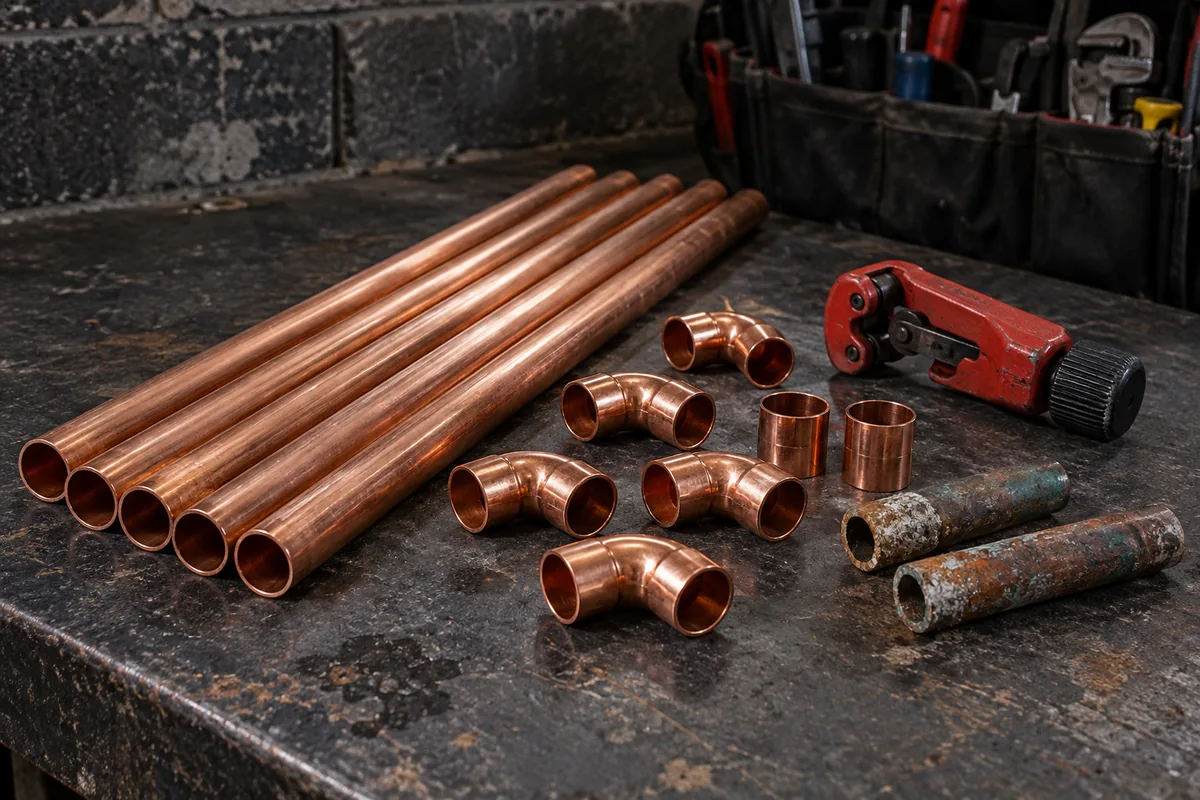
A repair may connect to piping installed at different times or made from different materials. The proposal should identify the new section and its connections to the retained line.
Backups, Slow Drains and Recurring Symptoms
Describe what led to the request now. One slow fixture, several drains reacting together or a return after clearing can raise different questions. Note where the issue appeared and what normal use was like before and after the event.
The symptom alone does not locate every pipe defect. A backup at a low opening may show the effect of a problem elsewhere on a shared line. Use the events you already observed; you do not need to run more water to show another overflow.
Include any result from earlier service. Did normal drainage return, and did the same fixtures later react? That history is useful, but it is not proof that a prior repair failed or that the whole retained line needs replacement.
Drain Cleaning and Structural Sewer Repair
Drain cleaning in Hubbard can address an obstruction. It does not renew the pipe around it. Restored flow is a result about use, not a complete finding about the state of every hidden section.
A structural repair needs a defined part of the line and a reason for the task. If the work replaces a section, it must also address how that section joins the rest. The repair boundary matters even when the immediate goal is simply to restore normal drainage.
If you have a prior inspection record, keep its date and coverage with it. A view of one section does not describe every branch. Later work can also change the route, so the record should provide context rather than settle all present questions.
Repair Endpoints and Existing Pipe Connections
The new section needs suitable connections to existing pipe. If damage reaches a proposed endpoint, the scope may need review. Replacing the first estimated length does not answer that issue if the join itself still involves pipe that needs attention.
We explain what such a finding means before expanding the agreed work. It may affect the length, access or method. A larger job needs a clear reason tied to the finding. Earlier repairs alone do not establish that need.
Compare a limited repair and a longer replacement by the findings each addresses, the included sections and the piping left in use. The total price alone does not explain those differences.
Use reliable records or current findings for pipe materials. Details from one earlier repair may apply only to that section; other concealed connections may differ.
Repair Access, Restoration and Drainage Use
The repair route needs practical access to the agreed section and its connections. Describe known entry points and any limits on reaching the work area. Access for a clearing tool does not by itself establish all the access needed to change a pipe.
Any surface restoration belongs in the scope. A new connection does not automatically include every nearby path, planting area or finish. Compare the included surface tasks alongside the line work so the expected result is clear.
When choosing an option, discuss how the work affects use of the connected spaces. A repair on a shared run can have different effects from work at one local section. The actual route should guide the sequence and any limits on use.
Keep the repaired section, connections and retained piping with the property’s earlier service records.
Contact HVAC & Appliance Repair Guys to request sewer line repair in Hubbard. Describe the current drainage problem and any known work on the retained piping.
Frequently Asked Questions
Does an earlier repair identify the full line material?
No. It supports only the known sections from that work. Other parts may differ.
Should joins to retained piping appear in the scope?
Yes. They define how new work connects to the existing line and help make the repair boundary clear.
Can a backup return after repair of one section?
A backup can return for more than one reason, including a restriction elsewhere or a concern at the repaired section. Describe the new symptoms and share the completed repair scope so the cause can be assessed.
What if damage reaches beyond an estimated endpoint?
Discuss the new finding and its effect on the scope before adding work. The repair needs suitable boundaries, not just the original length.
Request Sewer Line Repair & Replacement in Hubbard, OR
For sewer line repair & replacement in Hubbard, OR, call HVAC & Appliance Repair Guys or submit a service request through the form on this page.