


Local • Licensed • Trusted

Drain Cleaning in Hubbard, OR

Blocked fixtures and recent treatments considered together before the next clearing method is selected

Excellent reputation. Trusted by customers

Customer reviews across all our services.

2,245 reviews 4.9
314 reviews 4.8
Thumbtack478 reviews 4.7

Tell Us What Went into the Drain

A drain that stays blocked after a cleaner needs a clear account of what you tried. For drain cleaning in Hubbard, HVAC & Appliance Repair Guys asks about the product, the timing and the result. That history matters even when the product seemed to do nothing.

Give the name from the label if you have it. State which drain you used it in and roughly when. If someone else added it, say what you know. You do not need to guess the amount or turn a vague memory into an exact claim.

A product may still be in the standing water. The fact that it did not open the drain does not mean it is gone. Share that information before work starts, so the visit takes account of the conditions in the line.

Do not add a second cleaner to get ready for service. Do not mix products or try to cancel one out with another. The next useful step is to explain the problem and the earlier attempt, not to add more unknowns to the drain.

Describe the Drain as It Is Now

Tell us whether the water moves slowly, stays at one level or comes back through the opening. These are different reports. A drain may pass a small amount of water while still failing during normal use. Some movement does not mean the path is fully clear.

Use what you have already seen. If a basin took a long time to empty, describe that event. If water stayed there after the last use, say so. Do not run more water just to check whether the problem has changed.

Also note whether the water rose in the same fixture or appeared somewhere else. Water in a shower during sink use can raise a question about a shared path. It does not, by itself, show where the restriction is.

Keep a separate account of water on the floor. You may have seen it spill from the fixture, or you may not know its source. A wet floor alone does not prove that the drain, supply line or fixture caused the release.

Keep the Order of Each Attempt Clear

If more than one attempt took place, give the order. A product may have gone into the drain before or after an earlier clearing visit. The water may have started to move before the next step. These details help keep the result tied to the right event.

You do not need a long log. A short account can name the first symptom, the action taken and what happened next. Leave out a cause you cannot confirm. The goal is a clear history, not a diagnosis made from memory.

If a person who shares the property tried something, ask them what they used when practical. Do not assume no product went in just because you did not add it. Keep any unknown part of the account clear when you speak with us.

The same rule applies to earlier tool use. Report the work you know about and whether it changed the flow. Do not reach into a drain or open a pipe to find out what someone else may have done.

A Brief Improvement Is Still Useful Information

A sink may empty once after an attempt and then slow again. Tell us how long the change lasted and whether normal use returned. A brief drop in the water level is not the same result as a drain that handled normal use for a longer time.

Keep the result tied to the fixture. A sink may improve while a tub stays slow. Saying that all the drains cleared would hide that second problem. The visit should address the concern that remains, not an assumed result for the whole property.

If the same symptom returns, it does not prove that a pipe has collapsed. It also does not prove that the earlier work removed all material from the line. The current condition and the earlier scope need review before choosing the next task.

A new problem elsewhere may need a separate check. Note whether the return happened at the same opening, during the same use or in a new room. Those facts can matter more than a broad claim that the plumbing failed again.

Do Not Create Another Spill to Show the Problem

A service request does not need a live overflow as proof. Describe what happened during ordinary use. If one fixture caused water to return, avoid using it again just to make the event repeat. More flow can put more water into the affected area.

Keep children and pets away from standing wastewater. Do not step into the water to measure its depth or reach a drain cover. An estimate from a dry place can explain the spread without adding a new risk.

Water near power cords or electrical equipment also changes safe access. Do not touch wet powered items or enter the water to move them. Tell us about that condition from a dry location so it remains part of the access discussion.

If you cannot see where water first appeared, keep that point open. A clear statement that the source is unknown is useful. It is better than choosing a drain as the cause only because the water collected nearby.

One Slow Fixture and Several Slow Fixtures Are Different Patterns

A problem at one sink may involve the fixture drain or a nearby section. Several fixtures changing together can raise a question about a common pipe. Neither pattern gives a complete diagnosis on its own, but both help describe the area that needs attention.

Name the affected fixtures and the order in which they changed. A long-standing slow tub should stay separate from a new toilet backup until the findings connect them. Different concerns can need different tasks during the same visit.

Fixtures that still work can add context too. Report normal flow you have already seen, without testing every drain in the home. One clear fixture does not prove that all shared piping is clear between uses.

If more than one person saw the problem, keep their accounts tied to the place and time. A report from a kitchen and one from a bathroom may describe separate events. The work should follow the actual pattern rather than a merged guess.

Separate a Drain Problem from a Fixture Fault

A drain cleaner does not address every reason a fixture seems to work poorly. Weak flow from a tap concerns water coming in. A basin that will not empty concerns water going out. If both occur, report them as two symptoms rather than one blocked drain.

The same care helps with laundry problems. Water rising at a drain when the washer empties differs from water leaking out of the appliance itself. You may not know which happened. Describe what you saw without moving the unit or running another cycle to find out.

A sink with a disposal can also have more than one concern. The unit may not run, or water may fail to leave through the connected drain. Those reports point to different questions. Drain cleaning does not automatically repair a motor or other appliance fault.

Keep sounds, fault messages and water behavior distinct. If you saw a message on an appliance during normal use, note the wording when known. Do not treat that message alone as proof that the connected pipe has a restriction.

This distinction helps define the right work. One appointment may involve more than one named task, but each needs a purpose. The plan should explain which symptom the proposed clearing addresses and which concern needs another form of assessment.

Plan Access without Taking the Plumbing Apart

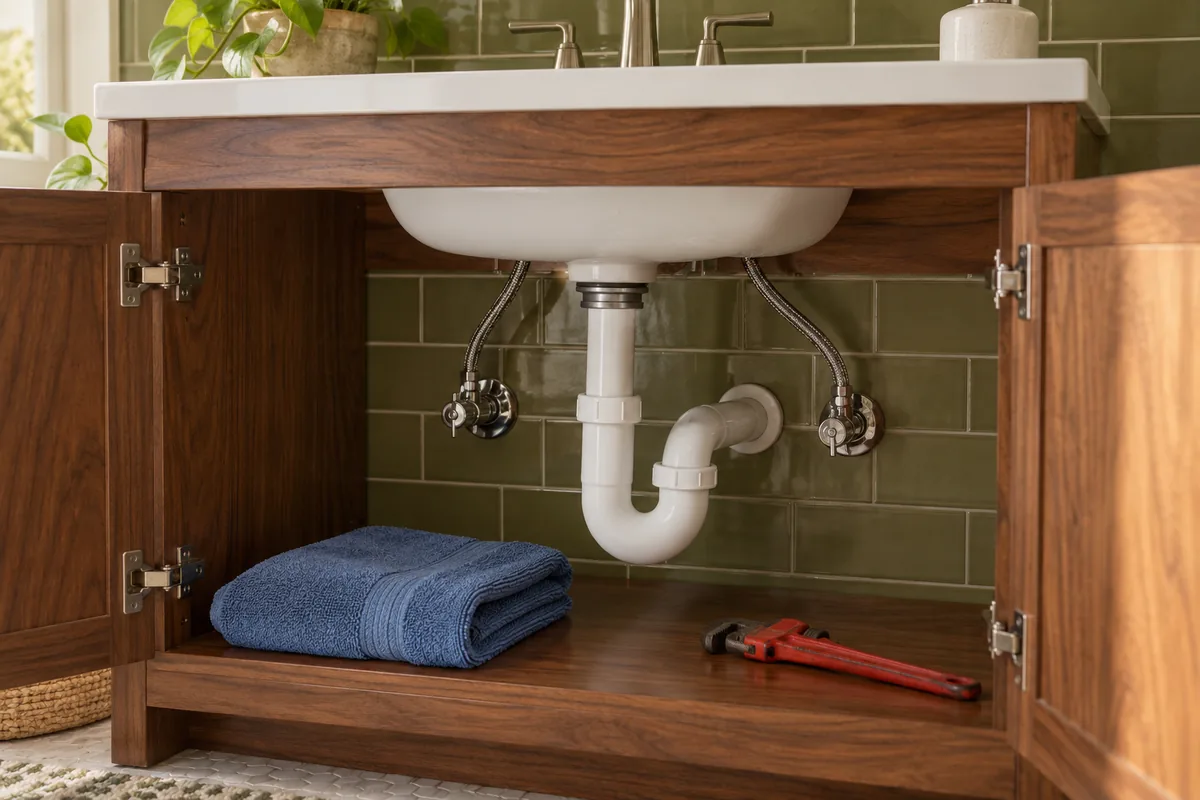
The place where water shows up may not be the best entry for the work. Tell us about any known cleanout or earlier work point. If you do not know where it is, say so. You do not need to find it by opening hidden areas.

Check who can provide entry to a locked room or shared space. Arrange that access with the person who controls it. Permission to use one room does not automatically cover every area that may connect to the drainage.

Move ordinary dry belongings only when the path is safe. Do not treat wet or soiled contents as routine preparation. Tell us if the work area has standing water or if the route to it has a known access limit.

Any need to remove a fixture, open a surface or change access belongs in the scope. The proposal should explain that task and who approves it. Do not make those changes yourself as an assumed part of booking drain service.

Let the Findings Guide the Clearing Method

You do not need to choose a machine when you request the visit. Start with the fixture behavior, prior attempts and known access. The proposed method should follow the relevant line and restriction, with its purpose clear before work begins.

A stronger sounding method is not always the right one. Different tools and approaches serve different tasks. The line condition and access matter too. The explanation should show why the method fits this request rather than present it as best for every drain.

If the first approach cannot settle the problem, ask what finding supports the next step. A change from clearing to inspection or repair changes the task. That change should be clear in the work plan, not hidden in a general promise to fix everything.

Clearing aims to restore flow in the agreed section. It does not certify every connected pipe or make a permanent claim about the system. The result should reflect what the work actually covered and what the relevant checks showed.

Keep Damage Claims Separate from a Blocked Drain

A failed cleaner does not prove pipe damage. It shows that the attempt did not produce the result you needed. The cause still needs review. Do not treat a lack of improvement as proof that a whole line needs replacement.

If findings show a damaged section or failed connection, pipe repair in Hubbard addresses that problem. Cleaning and repair serve different purposes. Opening a drain does not mend a split or restore a broken joint.

A larger sewer-line repair needs its own supported scope. The proposal should identify the relevant part of the line and explain the condition behind the work. A symptom at one fixture is not enough to define that project.

Keep visible leaks in the discussion even if drainage improves. Water escaping from a connection remains a separate concern. The record should distinguish the completed clearing from any repair still needed or any condition that remains unknown.

Ask What Inspection Would Add

Inspection and clearing can support the same request, but they do different things. Clearing works on flow. Inspection gathers observations about the line. A recommendation for both should explain the purpose and order of each task.

A blocked or water-filled section can limit what an inspection shows. The report should state those limits. A view of part of the pipe does not establish the condition of every branch or every area beyond the view.

If an earlier report exists, keep its date and coverage clear. It can provide history without replacing a review of the present symptoms. A new problem may involve a different section or a condition that the older visit did not observe.

Any next step should connect to the useful findings. Ask which question remains open and how the proposed task would answer it. The fact that a method is available does not mean it belongs in every drain-cleaning appointment.

Make the Work and Any Extras Clear

The agreement should name the drain or shared section included. If you reported more than one symptom, check which concerns the plan covers. One visit does not automatically mean service to every drain on the property.

Extra access work, repair and cleanup also need clear terms. Removing a restriction is not the same task as handling wastewater on a room surface. State any cleanup need so it does not remain an implied part of the clearing request.

If the plan changes, ask what new finding led to the change. The explanation should connect the added work to a specific need. Keep approval for that work separate from a broad assumption that any plumbing task may proceed.

A useful service record can be short while still precise. It should tell you what work took place, where the access was and what result followed. It should also keep any open concern separate from the completed task.

Use the Result to Guide the Next Decision

After the work, the flow check should relate to the original complaint. A sink draining once does not settle every possible concern on a shared line. Ask which checks fit the work and whether the reported symptom remains.

If flow improves but another fixture still has trouble, keep that fact in the notes. Partial progress is different from a complete result for the whole request. The remaining symptom may call for a separate task or a further assessment.

Save the service details with the history of earlier attempts. If a problem returns, the next account can start with facts about the work and timing. There is no need to reconstruct the whole sequence from memory.

Future care should follow the actual findings. Do not assume that one clearing prevents every later blockage or that every line needs the same schedule. A fresh change in flow deserves a clear new description of the fixture, timing and effect.

Frequently Asked Questions

Should I mention a cleaner that did not work?

Yes. Give its name, timing and the drain where you used it. A lack of visible change does not mean the product is gone.

What if I do not know what another person poured in?

Say that the product is unknown. Share any reliable details you can obtain without handling standing water or adding another product.

Should I pour in a different cleaner before the visit?

No. Do not mix products or add another treatment as preparation. Explain the current condition and earlier attempt.

Does one failed attempt prove the pipe has collapsed?

No. The cause needs assessment. Structural repair requires findings that support the work.

Should I run more water to show that the drain is slow?

No. Describe an event you already observed. Avoid causing another backup or spill.

Do I need to find the exact blockage location?

No. Describe the affected fixtures and known access. You can request service without tracing hidden piping.

Will drain cleaning fix weak water flow from a tap?

Not by itself. Supply flow and drainage are different concerns. Tell us about both so the proposed work addresses the right symptom.

24/7 requests

Request Service

Leave your name and phone number. We’ll call to discuss the service you need, confirm your location and check appointment availability.

Same-Day Service in Portland Metro

LOCAL • LICENSED • TRUSTED

One Local Team for Heating, Cooling, Plumbing, Electrical & Appliance Service

HVAC & Appliance Repair Guys provides repair, maintenance, replacement and installation services for homes and businesses.

We inspect your system or appliance, explain our findings, and review the recommended work and price before starting. Availability depends on your service needs, location, site access, parts, permits and our schedule.

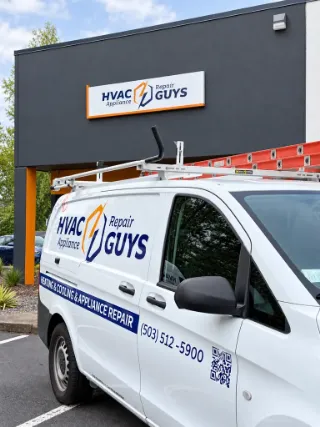
Technician arriving at a home with a tool bag HVAC & Appliance Repair Guys service fleet outside the Portland office HVAC & Appliance Repair Guys branded service vehicle
Requests Accepted 24/7 Call or request service anytime and we’ll confirm current availability
35,000+ Jobs Completed Repairs, maintenance and installations for homes and businesses
Licensed in OR & WA Heating & Cooling · Appliance Repair · Plumbing · Electrical · Commercial
(503) 512-5900 Request Service