



Toilet Repair in Milwaukie
HVAC & Appliance Repair Guys provides toilet repair in Milwaukie for unwanted refilling, poor flushing and leaks around the fixture. Finding whether water passes into the bowl, escapes outside or fails to drain guides the work. Describe the timing of each symptom if more than one occurs.
Tell us whether the tank refills after a quiet period, water appears outside during filling or flushing, or both occur. These symptoms may have different causes.
Internal Water Loss May Leave the Floor Dry
Water can pass from a typical tank into the bowl between flushes. As the tank level falls, the fill control may add more water. You can hear that refill without seeing water outside the toilet. The sound identifies part of the cycle, but it does not prove which component needs replacement.
A flush seal and the incoming fill control have different roles. A fault at one point can make another part respond. The assessment should establish why the water level changes before choosing the repair. A dry floor does not rule out an internal water-loss concern, and a refill sound does not automatically justify a new fill valve.
Leaks at Tank, Supply and Outlet Connections
Water escaping at a tank, supply or outlet connection reaches the surrounding area. Explain where you first noticed it and whether it followed normal use. The water may travel before it collects on the floor. The lowest wet point does not establish its origin or select a failed seal.
Leak detection in Milwaukie can address an uncertain external source. A visible release may need a different task from internal tank repair. If the tank also makes noise, mention that without assigning the puddle to it. The finding should connect the proposed work to the source actually identified.
Previous Repairs and Compatible Components
Mention earlier component changes and whether the refill sound or outside water changed afterward. Share model information or a work record if available, without dismantling the toilet to find a part number. The installed design affects compatible parts; the current finding determines the repair.
Connected Pipe Repairs and Fixture Access
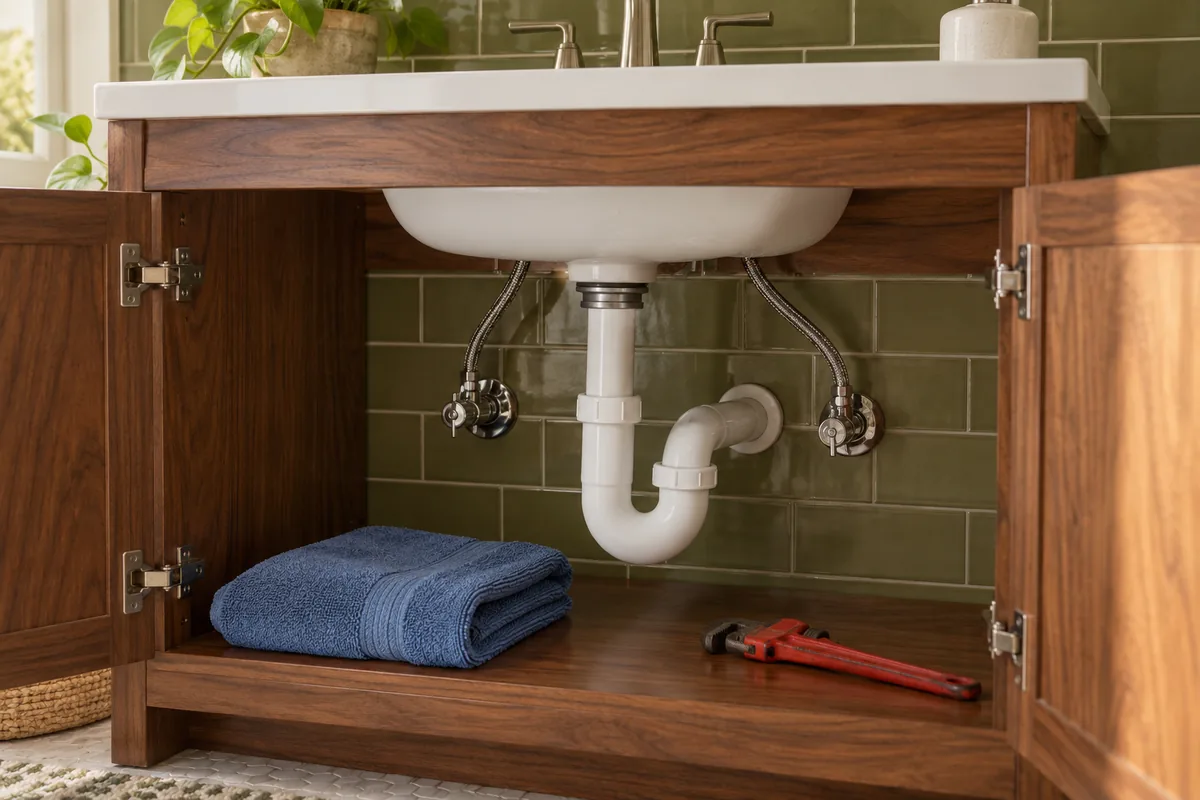
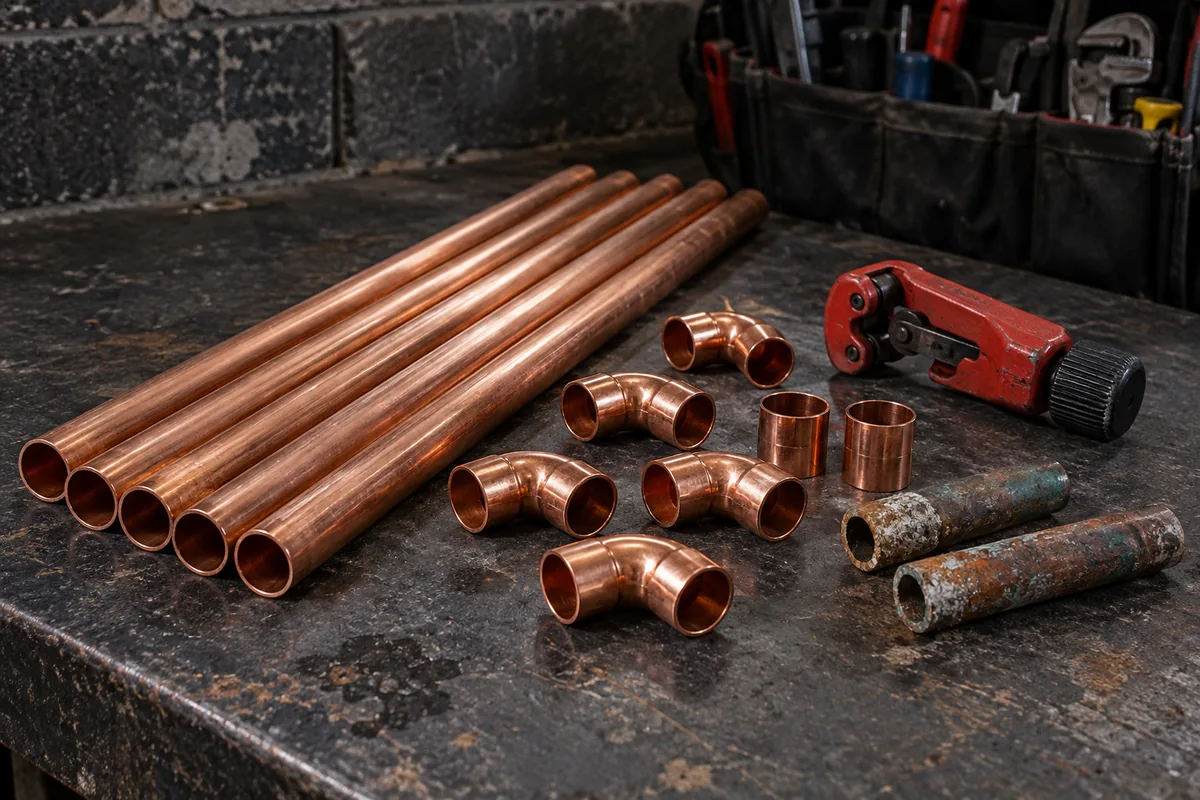
Pipe repair in Milwaukie addresses damaged connected piping or joints. A tank-component task may leave those parts unchanged when the finding does not call for pipe work. The agreement should identify any added connection repair.
Access can differ as well. Work inside the tank and work at the outlet beneath the toilet may need different arrangements. The proposal should explain any required removal and whether it retains the fixture. Removing a toilet for a defined repair is not the same choice as replacing the whole unit.
Slow Drainage and Rising Bowls
If the bowl rises or drains poorly, describe that behavior separately from running water or a wet floor. A tank can release water normally while a restriction prevents the bowl from emptying. A component repair does not clear that restriction by itself. Stop repeated flushing when the bowl does not drain normally.
Mention any other fixtures that backed up at the same time. Share existing observations; you do not need to run extra tests. Several symptoms in one bathroom may still have different causes.
Fill, Flush and Leak Checks After Repair
The final check should relate to the work that took place. An internal tank repair needs a relevant review of fill, flush and resting behavior. A repaired outside connection needs a check under the conditions that matter to that source. If the work covers both faults, the record should state the result of each task.
Review any remaining concern and any floor or finish restoration included in the work. Stopping the leak does not automatically remove the marks it left.
Contact HVAC & Appliance Repair Guys to request toilet repair in Milwaukie. Describe unwanted refilling, drainage problems or an external leak and when each occurs.
Request Toilet Repair in Milwaukie, OR
For toilet repair in Milwaukie, OR, call HVAC & Appliance Repair Guys or submit a service request through the form on this page.