


Water Heater Repair in Lake Oswego
HVAC & Appliance Repair Guys provides water heater repair in Lake Oswego for lost heating, shorter hot-water supply, temperature changes and leaks. We assess the equipment fault and any connection involved, then explain the repair and access it needs. Report moisture separately from changes in hot-water use.
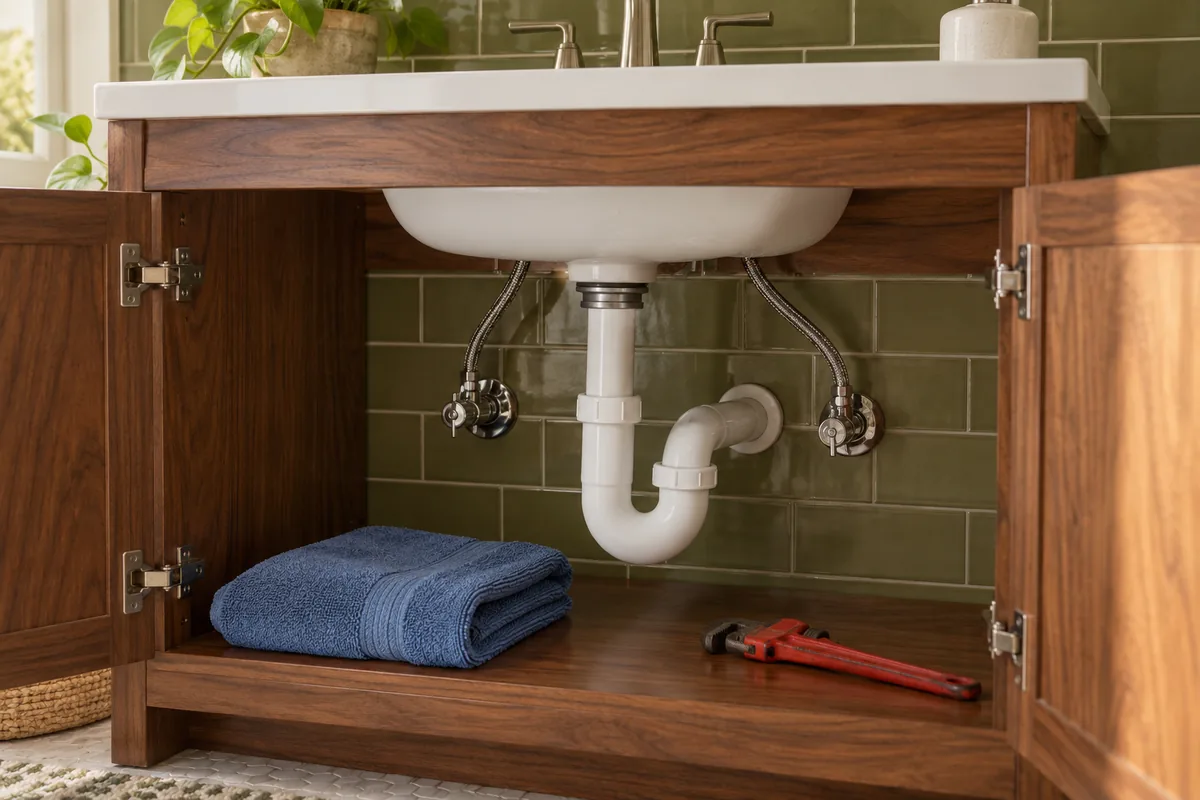
A connection behind cabinetry may need an access task as well as the repair. Leak detection in Lake Oswego can address an uncertain water source. The visible wet area does not always reveal the cause.
Identify the affected outlets and any change in flow. The model establishes which equipment is installed, while your observations describe the fault; neither age nor a nearby puddle alone decides the remedy.
If one shower stays cool while nearby taps still warm up, include that contrast in the request. It helps distinguish an outlet concern from a loss of heating across the property. A new heater would not automatically correct a separate fixture fault. We discuss the relevant checks before choosing an equipment remedy.
Heater Faults, Leaks and Hidden Connections
Water heaters can continue to produce hot water while a nearby connection leaks. Report moisture separately from a loss of warmth, including where you first see it. We assess the relevant parts before assuming one repair will resolve both concerns. A dry-looking heater at one moment does not explain water elsewhere.
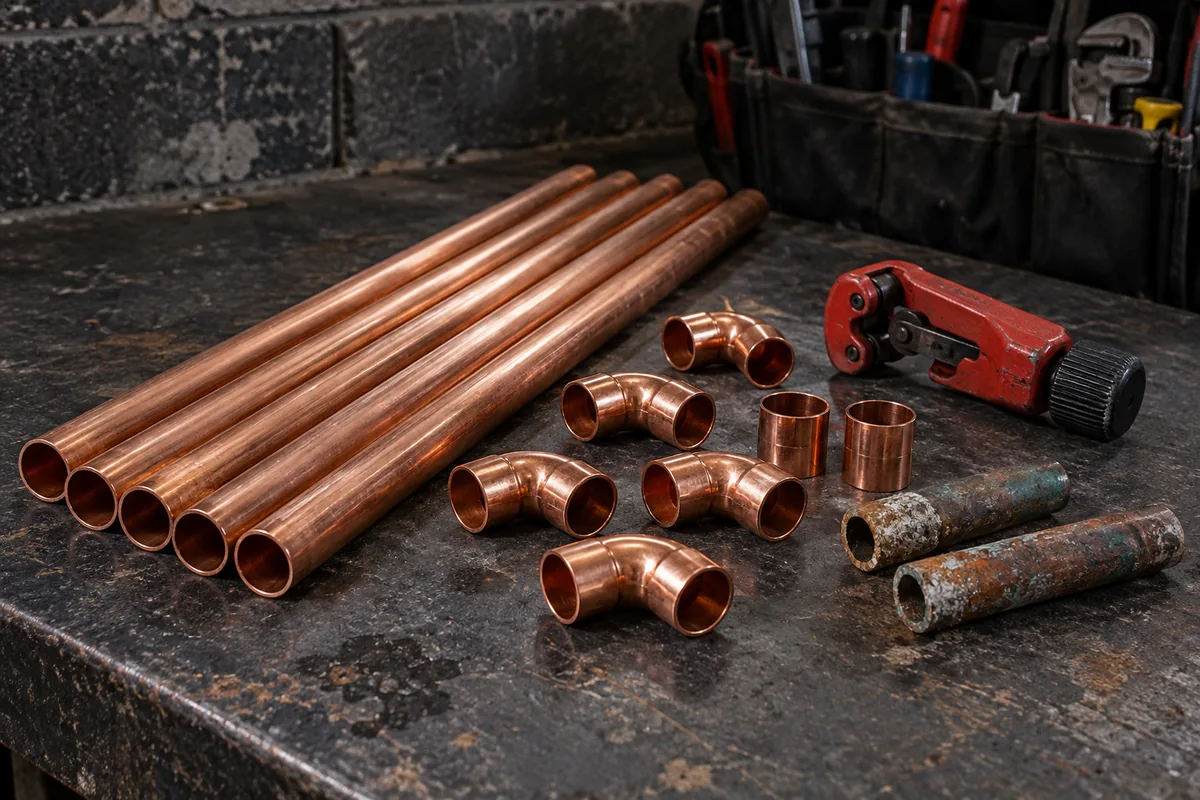
If the assessment identifies a damaged pipe or connection, pipe repair in Lake Oswego may address it without replacing the heater. We explain the pipe repair and any access work it needs.
Equipment Access and Finish Restoration
Describe cabinets, stored items or locked rooms that limit access. Do not remove a panel or disconnect equipment for an undefined task. We explain which area needs access and what the check or repair would establish.
The plumbing work and restoration of a wall or cabinet are separate parts of the discussion. Ask whether the proposal includes both. If an opening reveals another fault, we explain the additional work before proceeding. The first approval covers the task you agreed to, not every new finding.
Repair and Replacement Options
We explain whether the findings support work on a component, connection or the equipment as a whole. Water heater installation in Lake Oswego is a separate option when replacement fits the condition or your plans. Compare it with the repair by the result each task would provide.
A new model may have different connection or space needs from the current unit. Moving the heater can change the work further. We explain the proposed arrangement before defining an installation scope. A discussion of new equipment does not itself approve the purchase.
Repair Prices, Completion Checks and Remaining Symptoms
We explain the findings, proposed parts, work and price. If limited access leaves a condition uncertain, we state that limit and explain any further check needed.
After the task, we check the relevant function and connections. Report any remaining temperature problem or returning moisture, including the outlet or wet area and timing.
Contact HVAC & Appliance Repair Guys to request water heater repair in Lake Oswego. Describe the heating or leak problem and any cabinetry or other access limit around the equipment.
Frequently Asked Questions
Should model information accompany the symptom description?
Yes, when readable and available. It helps identify the installed unit without substituting for assessment.
Request Water Heater Repair in Lake Oswego, OR
For water heater repair in Lake Oswego, OR, call HVAC & Appliance Repair Guys or submit a service request through the form on this page.