


Walk-in cooler repair for uneven cooling in Vancouver, WA
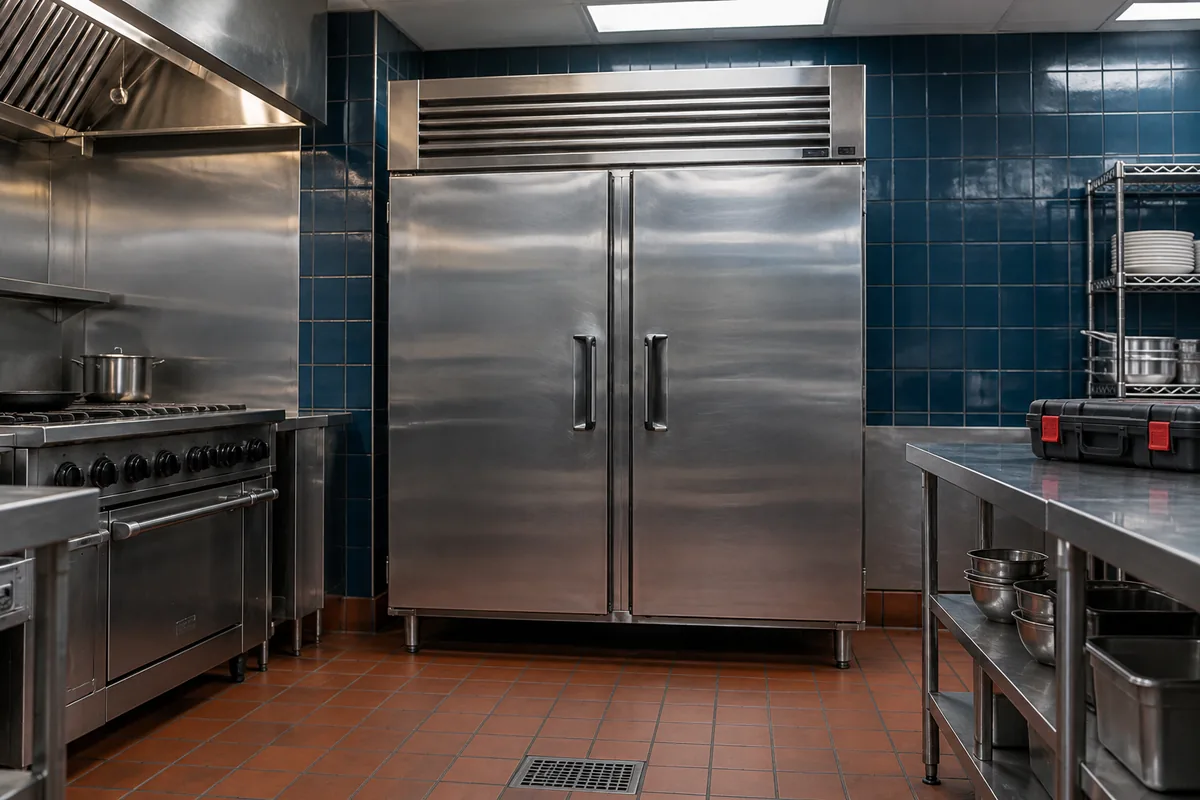
A cooler display can look normal while staff report a problem in one storage area. When requesting walk-in cooler repair in Vancouver, describe both observations, where they were made and when they occurred. HVAC & Appliance Repair Guys assesses the room and its cooling equipment, then explains the diagnosed fault and proposed repair before approved work begins.
Room-air readings and product measurements describe different things. Sensor exposure, stock placement and the room air path can also affect the temperature picture. Include existing records without changing settings or moving sensors to make the readings agree. The comparison gives the assessment context; it does not prove that the control is faulty.
Where differences in cooling can begin
Uneven performance can involve the movement of air through the room as well as refrigeration operation. A fan that runs may still be moving air through an iced or obstructed coil. The useful question is how the reported warm area, room readings and equipment behavior relate to one another.
- Room-temperature readings, sensor exposure and displayed alarms
- Evaporator coil condition and airflow around stored goods
- Door closure and visible gaps that can admit outside air
- Water at the drain area or moisture appearing on room surfaces
- Condensing-unit and control behavior when the room is warming
- Changes in loading or stock placement before the symptom began
Which symptoms belong in the same service request?
Describe coincident changes together, but keep the observations separate from a guessed cause. For example, include both a noisy fan and warming in a nearby area without assuming the fan is the only problem. Mention whether performance changed suddenly or has been poor since the room entered its current use.
- One storage area appears warmer than the rest during normal operation
- Moisture, frost or water returns to the same location
- Air circulation changes while a fan becomes noisy or intermittent
- A door no longer latches or shows visible seal damage
- The system runs longer than usual, cycles repeatedly or stops unexpectedly
- Routine temperature records and the display differ; note what was measured and when
Separate labels can identify separate equipment
A walk-in room can have a different manufacturer or model from its refrigeration equipment. Share the labels already accessible to staff, identifying where each belongs. Include records for earlier work and explain if the equipment is in a locked or elevated area. Do not remove panels or climb to collect a number.
What the assessment needs to resolve
The repair decision should connect the observed discrepancy to a diagnosed problem. Sensor exposure, airflow, room conditions and equipment operation may all need consideration. Defrost and fan operation depend on the cooler design, so a brief fan pause or a single display reading should be interpreted in that system context.
- Confirm the room use, symptoms, available temperature records and site access.
- Compare the reported areas and timing with visible room, coil and door conditions.
- Assess the relevant cooling and control functions before identifying the repair needed.
- Explain the diagnosed fault and proposed work, including the limits of the estimate, before approval.
A new fault or a longstanding performance concern?
Tell us whether the room previously met the same operating demand. A recent loss of performance and a room that has always struggled are different starting points. An isolated fault, repair history, parts availability and enclosure condition help frame the repair-versus-replacement discussion. A repair assessment does not by itself establish a new system design.
Distinguish a component repair from refrigeration-equipment replacement or work on the insulated room. Provide any planned change in use, a contact who can approve work and the access window for the site. Follow your existing stock-handling procedures while the issue remains open; a service visit does not determine whether stored products are suitable for use.
Related commercial repair services
Specify whether the equipment is a walk-in cooler, a room used for frozen storage or a stand-alone cabinet. Separate units should each have their own symptom description so the requested scope is clear.
Frequently Asked Questions
What should I do before requesting service?
Note the equipment type, brand and model if available, the exact symptom, when it happens, and whether the unit is still safe or usable. Photos of the data plate and visible issue can help.
Can multiple units be checked in one visit?
Often, yes. List each unit and symptom in the request so the appointment can be routed with the right expectations and enough diagnostic context.
Do you recommend repair or replacement?
The technician explains the likely repair path and flags replacement when age, condition, repeated failures or parts availability make repair a poor business decision.
Can service be scheduled around business hours?
Provide access windows, peak service times, loading instructions and property rules. That helps reduce wasted time and keeps the visit aligned with business operations.
Request Walk-In Cooler Repair in Vancouver, WA
For walk-in cooler repair in Vancouver, WA, call HVAC & Appliance Repair Guys or submit a service request through the form on this page.