



Toilet Repair in Clackamas
HVAC & Appliance Repair Guys provides toilet repair in Clackamas for refill faults, poor flushing and leaks. Describe what the handle does, whether the tank refills and how the bowl empties. We assess those steps and the fixture design before explaining a repair for the actual cause.
Tell us when performance changed, how often you notice it and whether any components were recently repaired. You do not need to dismantle the toilet before requesting service.
Tank Refilling and Flush Mechanism Faults
A tank that does not hold or release water as its design intends can produce poor flushing. That does not automatically establish a drain blockage. The fill and flush mechanisms have different roles in the tank. The repair should follow the finding about the affected part rather than a symptom label alone.
Describe changes in the handle or refill time separately from the bowl’s drainage. The technician should identify the fault and check which components fit the installed toilet before proposing a repair.
Rising Bowls and Restricted Drainage
A bowl that rises and stays high points to a different part of the cycle from a handle that releases little water. Stop repeated flushing when the bowl does not drain normally. Describe what happened before and after the rise. There is no need to risk an overflow to show the condition again.
Drain cleaning in Clackamas addresses restricted flow. A tank-component repair does not clear a blocked outlet or connected drain. If a sink or tub has also backed up, mention its location and timing. The pattern helps define the assessment without proving the exact cause.
External Leaks and Connected Pipe Repairs
Water outside the fixture introduces another question. Explain where you first saw it and whether it followed filling or flushing. Nearby moisture does not prove that the same fault caused the poor flush. A separate source may need its own assessment and repair decision.
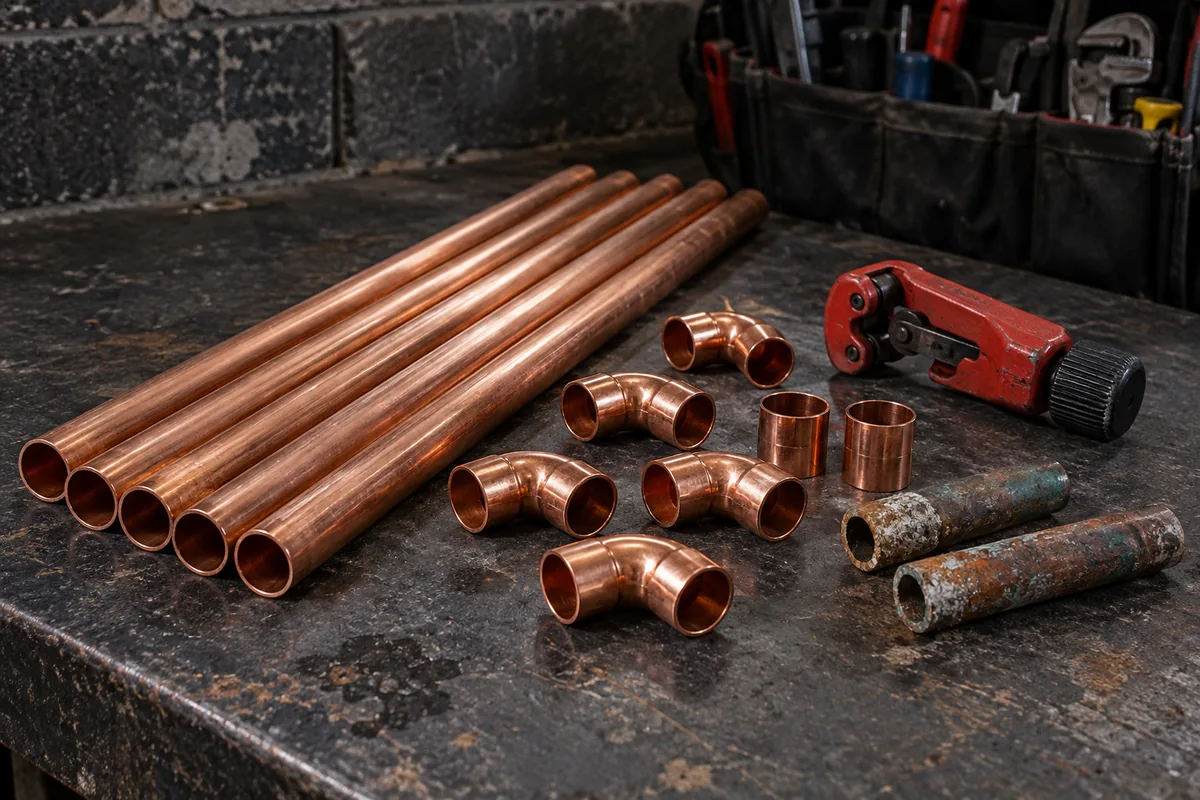
Pipe repair in Clackamas concerns damaged piping or connections. The toilet-repair agreement should make any added pipe task clear. Whole-fixture replacement is a separate option that needs a reason based on the findings.
Fill, Flush and Drainage Checks After Repair
After the selected repair, ask what the plumber checked and how the result relates to the original complaint. Refill, water release and drainage need clear roles in that explanation. A normal tank refill does not, by itself, establish normal bowl drainage. A cleared bowl does not prove that every tank component needs no further attention.
Review the changed part, any separate concern that remains and the access or finish restoration included in the agreement. A completed fixture repair does not establish that every nearby plumbing issue has been addressed.
Contact HVAC & Appliance Repair Guys to request toilet repair in Clackamas. Describe the handle response, tank refill, bowl drainage and any visible leak.
Request Toilet Repair in Clackamas, OR
For toilet repair in Clackamas, OR, call HVAC & Appliance Repair Guys or submit a service request through the form on this page.