



Walk-in freezer repair at your Portland location
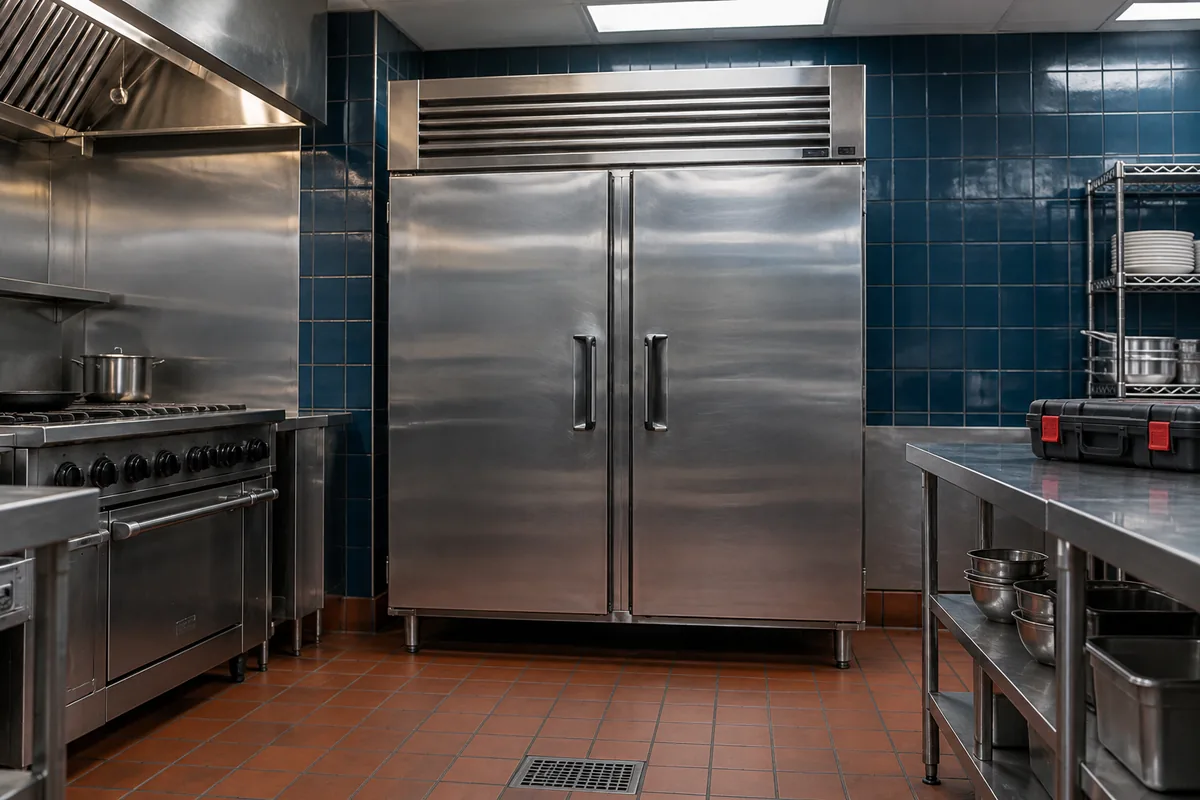
Warming, recurring ice and a door that will not close need more detail than a report that the freezer is down. For a Portland walk-in freezer request, HVAC & Appliance Repair Guys confirms the equipment, reported problem and site requirements before planning the visit.
Where ice appears matters. Frost near an entrance, ice around the cooling coil and ice at a drain can call for different checks. They can also occur together. Record the locations and when the buildup returns; the presence of ice by itself does not establish which component needs replacement.
A visit also needs a workable route to the affected equipment. Report any ice that restricts entry and identify who controls access to the room. Follow your site procedures for hazards and stock handling while arranging service; do not chip or heat equipment to expose concealed parts.
What recurring ice can tell the assessment
Freezer diagnosis needs to consider moisture entry, airflow and the installed defrost and drainage arrangements together. The applicable checks depend on the equipment. An assessment may need to distinguish:
- Frost near the doorway and possible air entry through a door or seal problem
- Ice on the evaporator coil that may restrict circulation
- Ice at a drain pan or drain path, considered separately from coil frost
- Defrost timing, termination and heating arrangements where fitted
- Fan operation and any control-related delay around defrost
- Temperature-control or refrigeration problems when warming persists
Describe the freezer fault as a sequence
The sequence can be as useful as the latest reading. Note when warming began, where ice first appeared and whether normal operation returned between episodes. Include observations already available to staff, without changing settings or forcing a test cycle:
- The displayed temperature and time, alongside any existing routine records
- Whether the room warms throughout the day or during a recurring period
- The first visible ice location and how the affected area changes
- A door that catches, leaves a gap or will not latch
- Fan noise or operation that changes, with the timing noted
- Any alarm, power interruption or recent work before the fault appeared
Match the diagnosis to the installed freezer
An apparent pause is not enough to identify a failed fan or compressor. Some freezer controls delay fans during or after defrost, and the installed design determines the expected behavior. Accessible model labels and existing service records help establish that context. Tell us where separate equipment is located without climbing or opening covers to find it.
Clarify the freezer repair and approval steps
We explain the finding, proposed work and any required parts before you approve a repair. The plan should distinguish the diagnosed equipment fault from a separate door, room or building condition. For a clear decision, work through these points:
- Confirm which freezer and components the request concerns, using available equipment details.
- Agree how the room and equipment can be reached, including any access hazard or restriction.
- Review the finding, proposed repair, required parts and work that falls outside that scope.
- Ask which checks relate to the repaired fault and whether another visit may be needed.
Separate a repair from a change in freezer use
Explain whether this freezer previously held its normal operating range, whether the same fault has returned after repair, and whether the business plans to change its use. Those are different questions. An isolated failure and a room that has never met the intended demand should not be treated as the same repair decision.
Equipment condition, the history of failures and support for required parts can affect the choices. Ask which portion of the system the estimate addresses and whether other work needs a separate assessment. Restoring the existing operation does not establish that the room can support a different temperature range or storage use.
Coordinate freezer access at your Portland business
For your Portland address, give the entrance and loading instructions, delivery windows and any restrictions on reaching the freezer. If the cooling equipment is in a locked area or controlled by the property owner, identify the contact who can arrange access. Report an obstructed route or icy entrance before the appointment is planned.
Confirm who will be onsite, who can approve work and whether the room and refrigeration equipment belong to the same owner. Mention limits on moving stock or using the loading area. Call or use the existing service-request form to review these details and current appointment availability.
Find the right service for the affected equipment
Use the equipment type and its normal purpose to choose the request. A reach-in freezer is a cabinet; a walk-in freezer is a room. A room used for chilled storage needs cooler service information. Describe the affected setup so a broader refrigeration request does not obscure the freezer fault.
Frequently Asked Questions
Why does ice keep coming back in a walk-in freezer?
Recurring ice often points to air infiltration, door problems, drain heat issues, defrost problems, fan issues or controls that need diagnosis.
Is floor ice a repair issue or a maintenance issue?
It can be either. The source should be diagnosed because drain, door, gasket, defrost and airflow problems can create recurring floor ice.
Can you service the box and the refrigeration equipment?
We can evaluate common box-related and refrigeration-related problems tied to the reported issue and explain practical next steps.
Should we shut the freezer off before service?
Do not change equipment status unless needed for safety or product procedures. Tell us what you have already done before the visit.
Request Walk-In Freezer Repair in Portland, OR
For walk-in freezer repair in Portland, OR, call HVAC & Appliance Repair Guys or submit a service request through the form on this page.