



Commercial Kitchen Equipment Repair in Beaverton
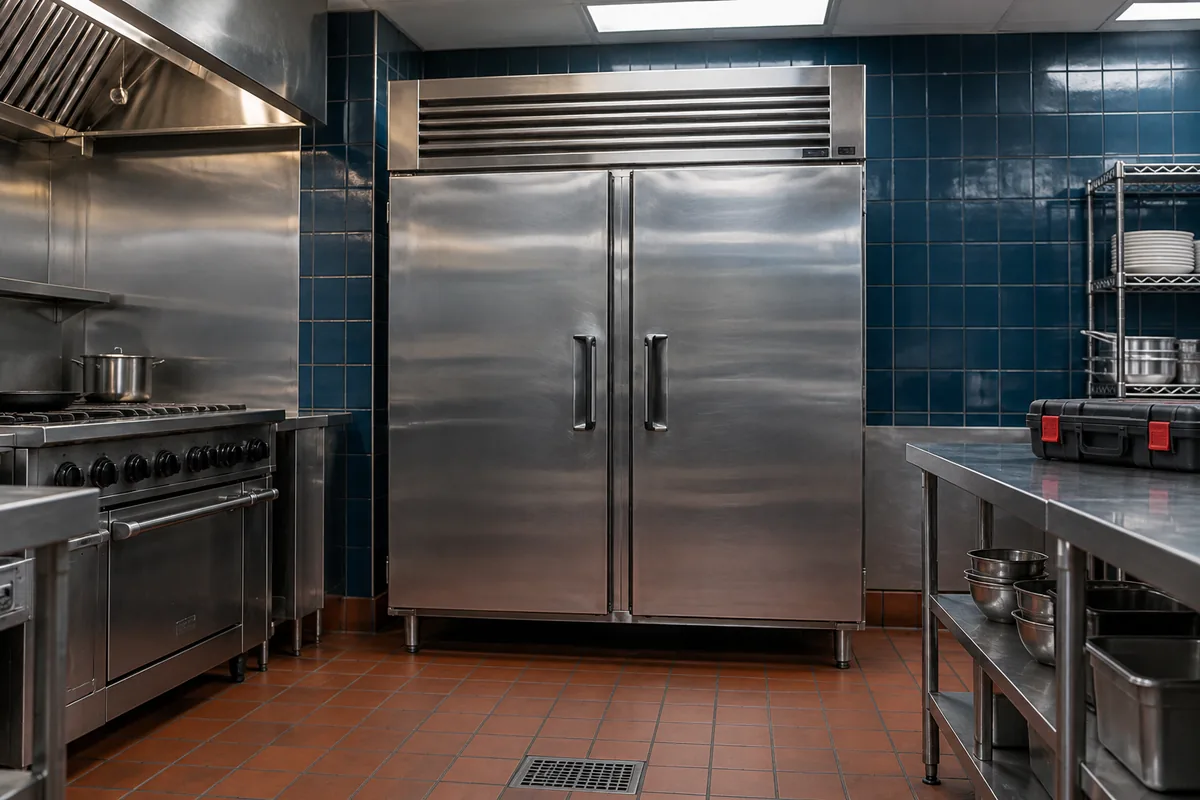
HVAC & Appliance Repair Guys provides commercial kitchen equipment repair in Beaverton, OR, for selected cooking, cooling, ice and washing equipment. Send each affected machine’s type, full model and symptoms so we can confirm support and arrange an assessment.
A cooking unit that will not heat, a cold-storage cabinet that has become warm or an ice machine with no fresh output can require different checks. Describe what changed from normal operation and the business priority for each unit. The technician assesses the actual fault before recommending repair.
If several machines changed at the same time, include that history without assuming one cause. A later return to normal also belongs in the record.
Equipment Models and Current Symptoms
Include the type, full model if accessible and a clear position or asset name. Label photos with the same names staff use in the request. Similar equipment can otherwise lead to mixed notes between shifts. Do not move connected appliances or remove covers to find a hidden label.
Describe the function that no longer works as expected. For cooling equipment, note the observed change and the source of any reading. For a cooking machine, explain the changed heat or operating behavior. Staff need not guess an internal part before asking us to review the repair scope.
Fryer and Ice Machine Repairs
Our commercial fryer repair service in Beaverton focuses on fryer faults. Provide its model and symptoms when requesting that service.
For a machine that makes ice, see our commercial ice machine repair in Beaverton. Distinguish low output from a complete stop and keep the exact warning if visible. The equipment’s function helps route the request. Final support and work scope still depend on the actual model.
Repair Priorities Across Machines
Tell us how each fault affects the next operating period. A machine out of use may take priority over one with an occasional symptom, depending on the business’s needs. Explain that priority rather than assume the noisiest problem is the most urgent repair. Keep the technical finding separate from the business impact.
Mention recent work or other known changes as context. Follow the site’s procedures for faulty equipment and stored products. Do not stage unusual tests or bypass a control to demonstrate several problems at once.
Service Access, Repair Costs and Follow-Up
Name the person who can show the technician each listed unit. Discuss fixed fittings, busy work areas and the available service window. Staff should not pull out connected equipment to prepare. A multi-machine request may need a different visit plan from a single appliance fault.
We explain assessed findings and proposed repairs before approval. Clarify who can approve costs and whether decisions should happen per machine or together. Ask about parts or return work for each item. One approval should not leave uncertainty about which equipment and repairs it covers.
The commercial appliance repair overview outlines the broader service scope. Keep your Beaverton findings attached to the same machine names after the visit. Record finished work and open steps separately. That gives the next shift a clear status for each piece of equipment.
Contact HVAC & Appliance Repair Guys to request commercial kitchen equipment repair in Beaverton and send the model, symptom and priority for each affected machine.
Frequently Asked Questions
Can one request include several kitchen machines?
Yes. List each model and symptom when booking. We review equipment support, access and the requested work before confirming the appointment scope.
What if different managers approve different repairs?
Explain who controls each work decision and any purchase-order requirement. Keep the finding and approval tied to the correct machine. That allows a clear next step without treating one manager’s approval as permission for all equipment.
Request Commercial Kitchen Equipment Repair in Beaverton, OR
For commercial kitchen equipment repair in Beaverton, OR, call HVAC & Appliance Repair Guys or submit a service request through the form on this page.