


Appliance Repair for Canby Homes
HVAC & Appliance Repair Guys provides repair service in Canby for household kitchen, cooling and laundry appliances. Whether a machine stops every time or fails only occasionally, describe the affected function and what happens before it stops. The visit helps establish the fault and the available repair options.
An intermittent fault can be hard to show during a visit. Note what the machine was doing just before it stopped, any message it showed and how it started again. A short record helps us review the pattern. Do not keep running a leaking or overheating appliance to make the fault appear.
Cooling, Laundry and Cooking Faults
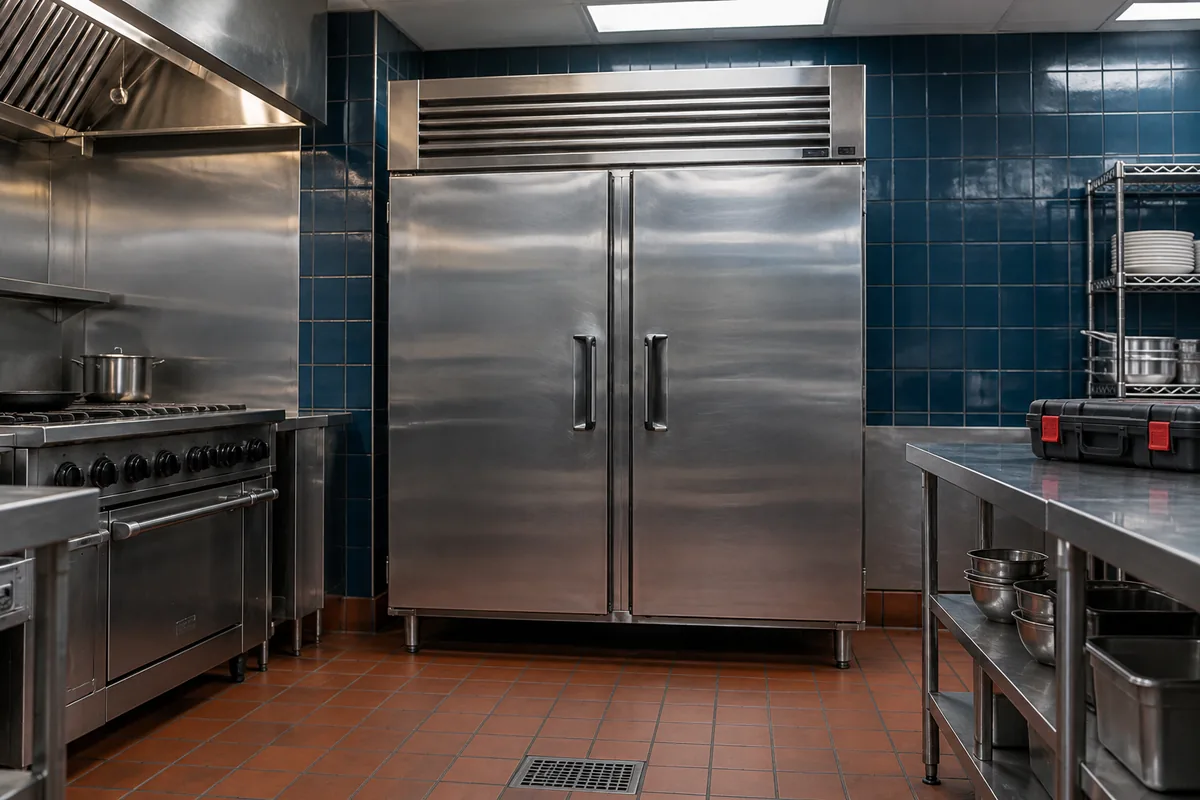
For refrigerator repair in Canby, compare the fridge and freezer sections. Note a loss of cooling, frost, water or a new sound. A separate freezer, wine cooler or ice machine has its own service needs. Give its model and explain how it sits in the room or cabinet.
With laundry, distinguish a washer that leaves water behind from a dryer that does not dry a normal load. Our washer repair service covers wash, drain and spin concerns. For a dryer, report whether the drum turns, whether heat starts and whether the machine stops early.
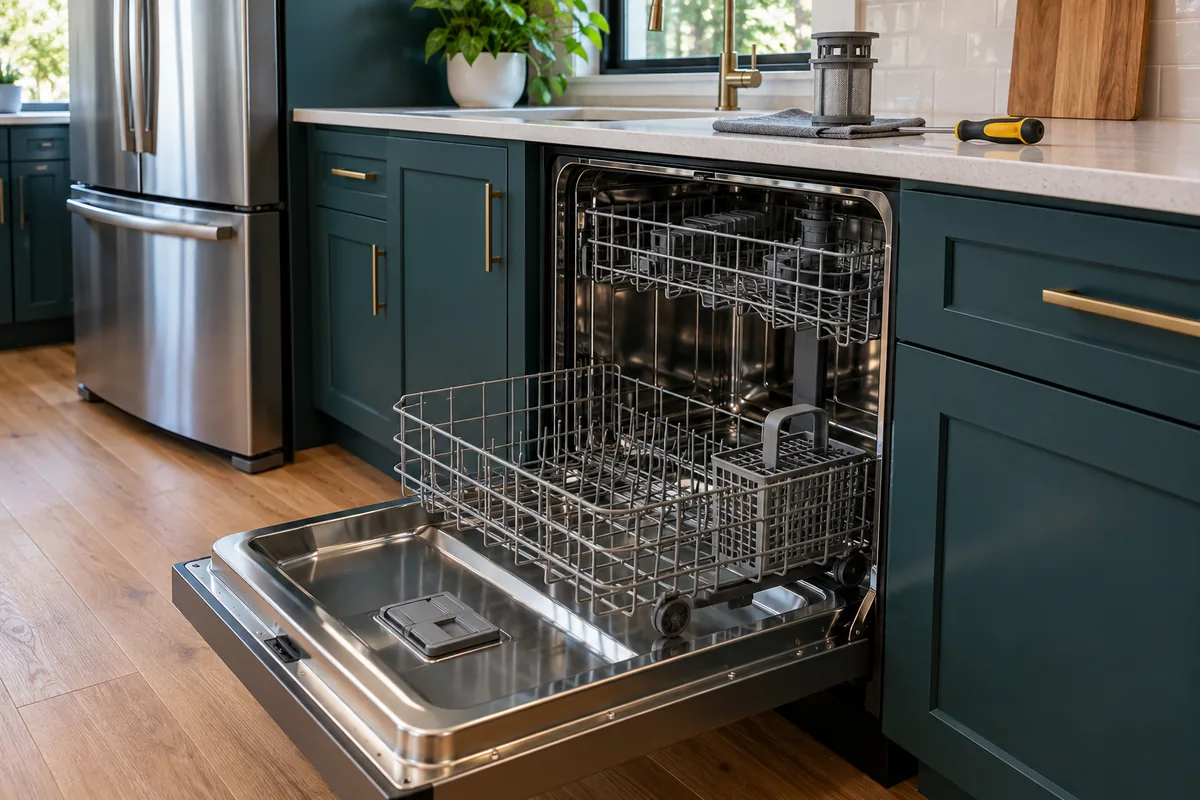
For an oven, range or cooktop, identify the affected function—such as the oven, one burner or the whole unit—and the fuel type if known. For a dishwasher, distinguish poor washing from retained water, leaking or an interrupted fill, wash or drain stage. Record the full error message without opening the appliance for internal testing.
Diagnosis, Cost and Next Steps
The diagnostic visit costs $99. We apply that fee toward a repair you approve; if you decline, the diagnostic fee remains due. For more than one machine, agree on the scope and charges before the visit. A description or error code cannot establish a final repair price on its own.
We discuss the findings, parts needs and proposed work before you decide. Same-day service is subject to availability, and parts may affect completion. Ask about the warranty terms for the specific job. Our regional appliance repair service covers the broader scope if you also need help at another property.
Intermittent Faults and Error Messages
Write down the first symptom in plain words. “The drum stopped turning but the display stayed on” tells us more than a guess about a motor. Copy the full error code, including its letters and numbers. If you already have a photo or short video of the fault, keep it for the service request.
Mention earlier repairs and changes around the time the problem began, such as a move, setting change or power interruption. Timing alone does not prove the cause. If the fault does not recur during the visit, the technician should explain what current checks establish and what remains uncertain.
Appliance Location and Repair Approval
Provide the Canby address, unit number and location of the appliance, including any outbuilding. Mention parking, stairs or a restricted route before the appointment.
Keep a fitted or stacked appliance in place. A photo of the whole installation can show us more than a close-up of the control panel alone. Also identify the person who can approve diagnosis and the person who can approve repair. If an owner needs to review the price, explain how to reach them during the visit. Contact HVAC & Appliance Repair Guys to request appliance repair in Canby, even if the fault comes and goes.
Frequently Asked Questions
Should I wait until the appliance stops working completely?
You can request service while the fault still comes and goes. Describe the pattern and keep any existing photos or messages. Do not force repeated cycles when the machine leaks, overheats or shows damage.
What if the appliance runs normally during the visit?
We review your record and check what the machine allows us to assess. Some intermittent faults may need more evidence. We explain the findings and their limits before proposing work.
Can I arrange service for a machine in an outbuilding?
Tell us the equipment type, model, household use and exact location. Describe the route and any access limits. We review those details and the service scope before confirming an appointment.
Does a same-day appointment guarantee a finished repair?
No. Same-day service depends on availability. Completion also depends on the fault, the work you approve and any parts the repair needs. We explain the next step after diagnosis.
Request Appliance Repair in Canby, OR
For appliance repair in Canby, OR, call HVAC & Appliance Repair Guys or submit a service request through the form on this page.